How to Take Care of Chickens: Your Comprehensive Guide
Learn how to take care of chickens.

Have you been considering raising chickens but aren't sure if it's something you're up for? While there is a lot of joy to be had in raising your own flock, it does take a fair amount of work to keep your feathered friends happy, healthy, and laying. Keep reading our beginner's guide on how to take care of chickens so you can see if maintaining a healthy brood is for you.
How to Take Care of Chickens: The Fundamentals
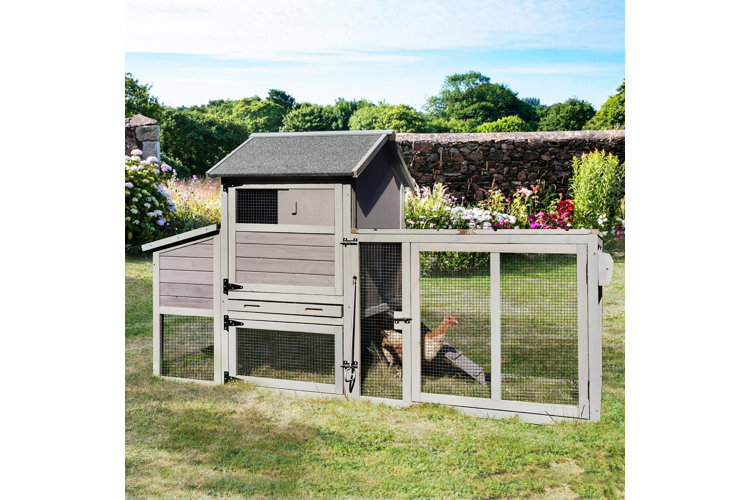
Chickens make for entertaining pets that are fairly easy to raise – as long as you stick to a strict care routine and perform all the tasks required. That being said, there is a list of questions you need to answer before you should create your own winged family. From there, you can learn about all that goes into raising poultry and finally decide if it's something you would have the capacity to do. Let's begin with our step-by-step guide.
Step 1: Check Regulations
Before you begin investing money on your birds and supplies, make sure to research all local laws and regulations on keeping chickens. Some municipalities have strict rules about the size of your brood, the number of roosters, and the placement of the coop on your property.
- You will encounter additional regulations if you intend to sell their eggs or meat.
Step 2: Check Your Property
Chickens require fairly specific living conditions – the space in particular needs to fit an appropriately sized coop and run depending on how large your flock will be. If you plan to let them range freely, they must be safely contained (and protected) in the intended area.
- Chickens require additional things like dust baths for their happiness – so ensure you can accommodate one.
- Birds kept in a run are safer than free-range chickens but either way, you should always make sure to check your property line for any potential entry or exit points for unwanted visitors.
Step 3: Calculate the Cost
Just like with any other pet, chickens care comes at a cost. You will need to buy their coop, food, fresh bedding, and other essentials, so ensure this will fit into your monthly budget.
- The initial cost of raising chickens is around $500 (particularly when you purchase a coop).
- You can expect to pay around $25 per month for every three to four hens.
Step 4: Check Your Schedule
Part of learning how to take care of chickens is fitting their daily care into your routine. They are not zero-maintenance animals and will require your time and attention every single day.
- These tasks include things like feeding, water refilling, cleaning, egg collecting, and health checks.
- You can expect to spend at least one to two hours a day caring for your plumed pals.
- It's also worth considering what you would do in the event of your absence – think about who would take care of them.
Step 5: Pick Your Breed
Before you make your purchase, you need to decide what you intended to use your brood for. Are you looking for egg layers? Do you want meat? Or are you after their aesthetics?
- There are many breeds of chickens, each better suited to specific purposes.
- Many breeds can adapt to backyard living but there are some that are better suited, so it's best to do your research.
Tip!
Medium to large breeds are better for locations with cold winters.
Step 6: Select Their Age
Once you have selected their breed, you must choose what life stage you want your chickens in. Are you looking to incubate and hatch your own eggs? Do you want to start with baby chicks are adult hens a better option for you?
- Research to better understand what type of care each lifestage will require.
- For example: there is a large difference between hand raising chicks and letting a hen raise her own.
- Young birds or pullets (10 weeks old) are great for both experienced and novice keepers as they are bigger and stronger, and more independent than baby chicks but still young enough for you to tame and develop a bond with.
Step 7: Buy Your Coop
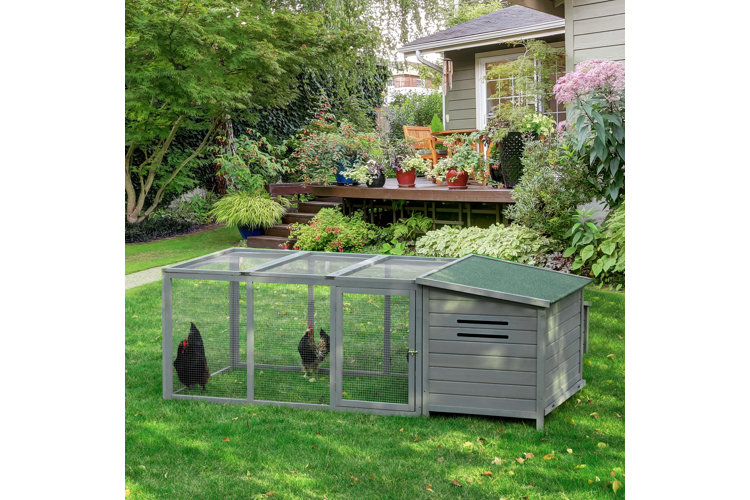
The coop you select must provide your chickens with protection from predators and the elements. It is also imperative that the coop is dry and well-ventilated with enough space for the birds to run around.
- Poor ventilation can lead to illness and mold, while overcrowding can lead to squabbles as well as unsanitary living conditions.
- The size of your coop will depend on the number of chickens you have – the minimum suggestion is three to five square feet per chicken in both the coop and the run.
- The coop must be weatherproof because chickens don't like getting wet.
Tip!
The reason it is better to have either a run or keep your birds free-range is because cooped up chickens require more work – their coop will need more frequent cleaning, they won't get as much light and fresh air (meaning airborne illnesses will spread faster, and they won't get to forage or have dust baths (vital to their happiness and health).
Step 8: Buy Any Accessories
It's time to purchase any equipment needed to care for your chickens.
- The coop must have nesting boxes for the hens to lay their eggs in, an elevated roosting area where they can sleep, and access to an outdoor run/area where they can exercise and forage for food (their health depends on this).
- You will need one nesting box for every three hens – but the more the better.
- Provide a dust bath outdoors to sustain healthy feathers and skin (it can simply be a spot of dry sand the flock is able to access day and night).
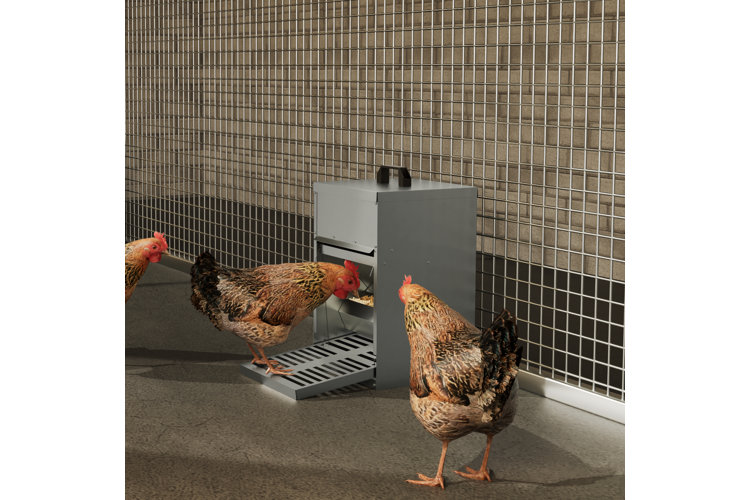
- Chickens need a clean water supply to remain healthy (closed vessels are better than open water surfaces which are prone to bacteria and fecal matter).
- If you live in a cold climate, you must winterize your coop using a heat lamp to protect them.
- The coop also needs perches where the birds can go to roost as they don't sleep on the ground.
- The number of perches depends on how many chickens you have (one chicken per foot of space).
- Make sure the perches aren't too thin and aim for removable perches which will make cleaning much easier.
- Bedding materials like straw or wood shavings allow you to quickly clean up their waste.
- You must make sure the coop and exterior space are safe (day and night) from predators like raccoons, rats, owls, cats, and hawks – whether you have a run or the birds are free-range.
Tip!
Read our guides The Best Types of Chicken Coops to Keep Your Hens Plucky and
Planning a Chicken Coop: Everything You Need to Know to find out more about coop preparation.
Step 9: Acquire Your Birds
There are many places to purchase chickens – from local farms or individuals to online hatcheries.
- Note that you need a minimum of two chickens as they are social birds that can grow bored, lonely, and even depressed when they are on their own.
- You can have no more than one rooster in an enclosure as they will fight one another if there are any more.
Step 10: Feeding Your Chickens
There are three different types of chicken feed: standard, layer pellets (high in calcium and good for laying eggs), and finisher feed (high in protein and good for meat chickens). It's best to do research on what food will best suit your flock and their needs.
- Make sure to keep their food fresh and clean.
- Cover their food containers at night to prevent pests.
- Clean up leftovers to prevent mold.
- Supplement your chicken's diet with high-calcium foods (helps them grind down their food and is good for laying hens).
- It's a good idea to let your chickens free-feed on insoluble granite grit two to three times a month.
- Table scraps and other treats should make up no more than 10% of their diet.
- Provide a gallon of water for three to four chickens and increase this based on additional birds.
Step 11: Perform Your Routine Care
Let your chickens out of their coop in the mornings and put them back in when the sun is setting. They will go in and out of their coop as needed (to lay, to drink and eat, and to escape heat or cold).
- Make sure all your chickens are accounted for before you lock up the coop for the night.
- They will eventually learn their routine and settle inside the coop every night – but if you struggle to round them up, simply throw a few treats into their coop for some extra motivation.
- Collect eggs every morning or evening (in summer you should collect them twice a day).
- Hens start laying at about six months of age and continue for between five and ten years. They will lay around six eggs a week.
- Hens require at least 12 to 14 hours of light to keep laying eggs (a regular light bulb can supplement any required light).
- Cleaning the coop is imperative as it prevents pests and disease.
- You must clean out bedding at least once a week (once a month at the most), this number is greatly affected by the number of chickens you have.
- You must perform a thoroughly deep clean of the coop at least twice a year.
- Always ensure their water is fresh and clean (you need to refill and clean out the containers daily).
Step 12: Pay Attention to Their Health
As part of your daily feeding and cleaning routine, you should also observe your chickens for any changes in appearance or behavior.
- Sluggishness, bald spots, huddling, cloudy eyes, panting, and decreased egg production or appetite are all potential signs of illness.
- If you encounter any of these indicators, contact your vet.
- In cases of respiratory illness, quarantining is best to prevent the spread to the entire flock.
Learning how to take care of chickens is not difficult, but it does take dedication. If you are interested in starting your own flock, take a peek at our selection of supplies to help you prepare.
You Might Also Like:
