Slow Cookers 101: How to Use a Crock-Pot & Other Slow Cookers
Time to get cooking!
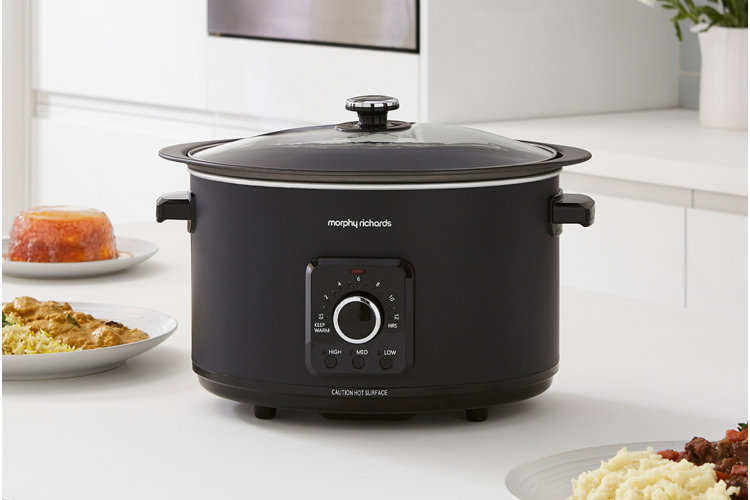
A slow cooker cooks food at a low, steady temperature over several hours, creating tender meats, flavorful soups, stews, and casseroles with minimal hands-on effort. Simply add your ingredients, set the temperature, and let it cook. Read on to learn how to use a Crock-Pot and other types of slow cooker and you’ll be crafting delicious meals in no time. Timer set, go!
What Is a Crock-Pot?
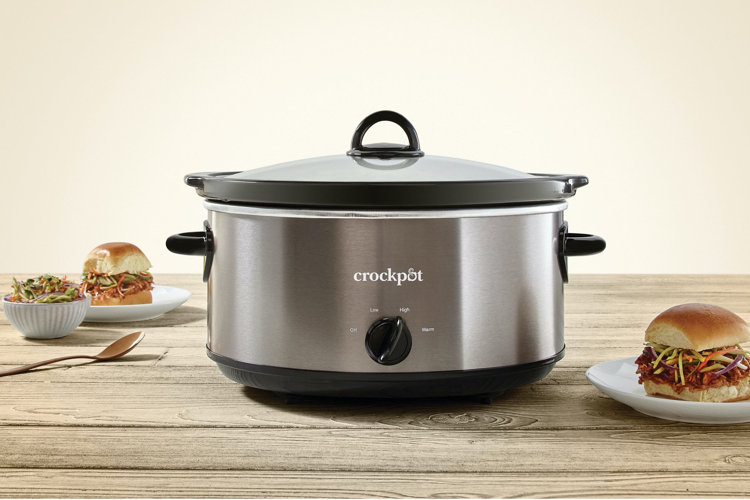
Crock-Pot is a brand that manufactures slow cookers, and the name is colloquially used to refer to the products themselves. These convenient countertop appliances are designed to heat food for up to eight hours at a low heat, producing delicious flavors and tenderized meat or vegetables – all with the press of a button. Slow cookers come in three configurations – the classic slow cooker (which this guide focuses on), the roast oven (for the perfect roast turkey, ham, or pot roast), and the sous vide slow cooker (for use with standard soup or stock pots).
Tip!
To learn more about different types of slow cookers size options, check out Slow Cooker Sizes to Have in Your Kitchen.
First-Time Slow Cooker Tips
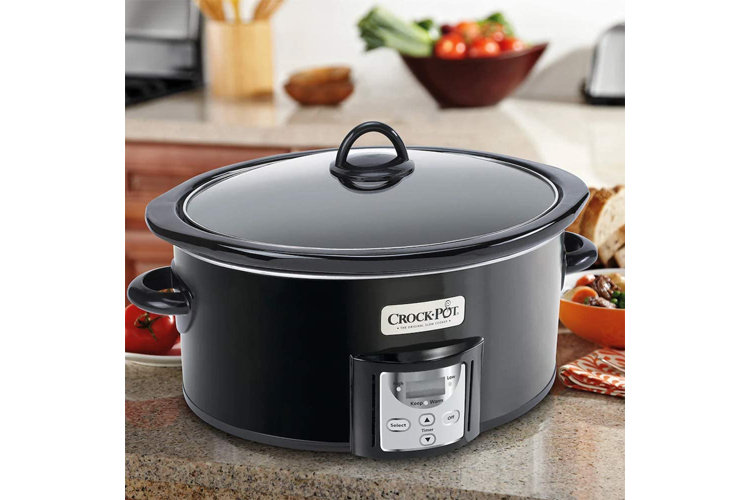
Using a slow cooker for the first time? These simple tips can help you get the best results from your first meal.
Fill it Properly
For even cooking, fill your slow cooker at least halfway, but no more than three-quarters full. Too little food can overcook, while an overfilled cooker may not heat evenly.
Keep the Lid On
Avoid lifting the lid unless your recipe instructs you to. Each time you open it, heat escapes and can extend the cooking time.
Layer Ingredients by Cooking Time
Place dense vegetables like potatoes, carrots, and onions on the bottom, where they receive the most heat. Add meat in the middle and quick-cooking vegetables near the top.
Use Less Liquid
Slow cookers trap moisture, so recipes typically require less broth or water than oven or stovetop recipes. Adding too much liquid can make soups, stews, and sauces watery.
Trim Excess Fat From Meat
Because fat doesn't cook away as easily in a slow cooker. Trimming large pieces before cooking helps prevent greasy sauces.
Add Delicate Ingredients at the End
Dairy products, fresh herbs, seafood, and leafy greens are best stirred in during the last 15 to 30 minutes of cooking to preserve their texture and flavor.
Use the Keep Warm Setting Wisely
Once your meal is finished, switch to the “Keep Warm” setting if your slow cooker doesn't do so automatically. This keeps food at the perfect serving temperature without overcooking it.
How to Use a Slow Cooker
Because slow cookers are all about setting and forgetting, mastering their use is super simple.
Step 1: Prepare Your Ingredients
If your recipe involves chopping vegetables or slicing meat, make sure that you cut each ingredient into uniform pieces to ensure even cooking when adding them to the slow cooker.
Step 2: Put Your Ingredients in the Internal Pot
Next, add your ingredients! We recommend adding root vegetables (carrots, beets, potatoes, onions, or turnips) and vegetables like peppers, broccoli, or cauliflower first, since they take longer to cook than most meats and other vegetables.
Place meat on top of this layer. Then, layer quick-cooking vegetables like cabbage, peas, or spinach on top of the meat. By adding ingredients by cook time, you ensure that the food on the bottom gets cooked to perfection, while the food on the top receives just enough heat to cook without getting mushy.
Step 3: Close & Secure the Lid Using the Lid Lock
Most slow cookers have tight-fitting lids and lock features to prevent heat or steam from getting out and disrupting the cooking process.
Step 4: Plug Your Slow Cooker In & Program Its Temperature & Cook Time
You can set the temperature to low if you want it to cook all day or high if you’re in a hurry. The high setting will cook food in half the time as the low setting. If your slow cooker doesn’t have a built-in timer, you’ll have to set one yourself.
Roast ovens operate similarly to other slow cookers, except that they need to be preheated for some dishes. Handheld sous vide slow cookers need to be submerged in a pot of water along with a sealed container of your ingredients before you apply your settings.
Tip!
Typical electric slow cookers can be preheated just like roast ovens. Try it with meat and poultry to ensure it isn’t sitting out for too long at too low of a temperature.
Step 5: Sit Back & Wait!
Once your food is done, turn the cooker off or apply the "Keep Warm" setting yourself, unless it does so automatically.
That’s all there is to it!
Not sure what all your slow cooker features mean? Learn more below.
Programmable: If using a slow cooker wasn't easy enough, there are programmable models that have specific settings for different foods. Not only that, but some automatically lower the heat when your dish is done cooking so you don’t need to set it to "Keep Warm" manually.
Adjustable Temperature Settings: Slow cookers with only one or two heat settings are things of the past. These models have multiple heat settings. Some let you choose a desired temperature down to the degree.
Cool-Touch Exterior: With this feature, bumping into these appliances is no big deal. Their exteriors stay cool even while cooking, so there’s no risk of burns.
Delayed Start Setting: If eight hours isn’t enough, these slow cookers can be set to start at a later time. Be careful about which foods can safely sit uncooked for extended periods of time.
Keep Warm Setting: Need to keep a finished dish hot? The "Keep Warm" setting maintains heat without burning or overcooking the food.
Auto Shut-Off: There’s no need to worry about these slow cookers burning your food – they shut off automatically when they’re done cooking.
Portable: Spill-safe lids designed for travel and ergonomic handles let you take these slow cookers with you to dinner parties or tailgates.
Easy-Clean Interiors: Slow cookers with removable interiors take the hassle out of cooking and cleaning. Those that are nonstick and dishwasher-safe can shave even more time off of cleanup.
Neighborly Tip!
Not sure if a slow cooker is the appliance you’re looking for? Check out these related guides to help you find the right one for your cooking needs:
- Dutch Oven vs. Slow Cooker: Which One Do You Need?
- Pressure Cooker vs. Slow Cooker: How to Choose the Right One
- Rice Cooker vs. Slow Cooker: Which One Is Right for You?
Frequently Asked Questions
Can you put frozen meat in a slow cooker?
It's generally not recommended to cook frozen meat in a slow cooker. Frozen meat can stay at an unsafe temperature for too long before it heats through, increasing the risk of bacterial growth. For best results, thaw meat in the refrigerator before adding it to your slow cooker.
Should you stir food while it’s cooking in a slow cooker?
No. It's best to keep the lid closed while your meal cooks. Every time you remove the lid, heat escapes and can increase the cooking time by 20 to 30 minutes. Only stir if your recipe specifically instructs you to do so.
Do you need to add liquid to a slow cooker?
Most slow cooker recipes require some liquid, such as broth, water, sauce, or tomatoes, to help distribute heat and prevent food from drying out. However, because slow cookers trap moisture, you'll usually need less liquid than you would for stovetop or oven recipes.
What’s the difference between the low and high settings on a slow cooker?
Both settings eventually bring food to a safe cooking temperature, but they do so at different speeds. The low setting is ideal for recipes that cook for 6 to 10 hours, while the high setting is better for meals that need to be ready in 3 to 5 hours. Both settings can produce equally flavorful results when used according to a recipe.
Can you leave a slow cooker on overnight while you’re away?
Yes. Modern electric slow cookers are designed to cook unattended for long periods when used according to the manufacturer's instructions. Always place the slow cooker on a heat-resistant, flat surface, keep the lid closed during cooking, and follow food safety guidelines for ingredients.
How do you clean a slow cooker?
Allow the slow cooker to cool completely before cleaning. If the cooking insert is removable and dishwasher safe, place it in the dishwasher or wash it with warm, soapy water. Wipe the heating base with a damp cloth – never immerse the base in water. Check your owner's manual for model-specific cleaning recommendations.
