Types of Vinyl Flooring to Transform Your Floors
Explore these easy to install and affordable flooring solutions.
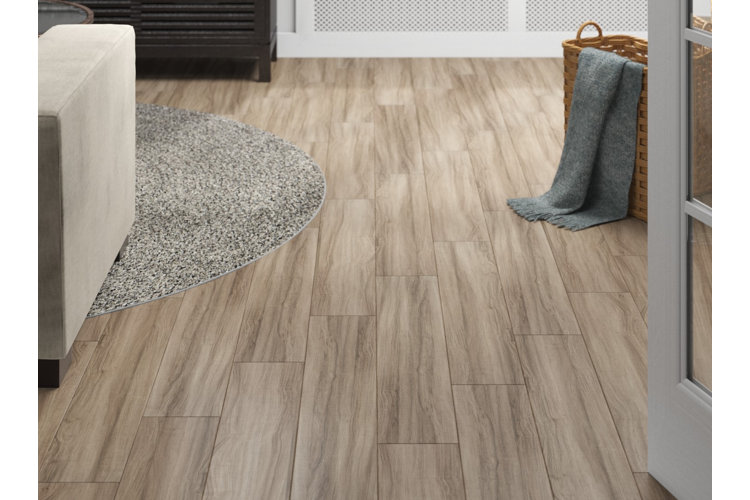
Vinyl flooring is water-resistant, scratch-resistant, installation-friendly, and budget-friendly, making it a great alternative to hardwood or traditional tile flooring. In this guide, we explore the main types of vinyl flooring, including design configurations, material styles, and installation types, so you can choose the best option for your home and DIY expertise. Not super familiar with vinyl flooring materials? Check out our guide on What Is Vinyl Flooring? before diving into this guide.
Design Configurations
Installation Methods
Design Configurations
Vinyl flooring typically comes in one of two design configurations – planks for a hardwood floor vibe, and tiles to resemble real stone tile flooring. Explore these options below.
Plank
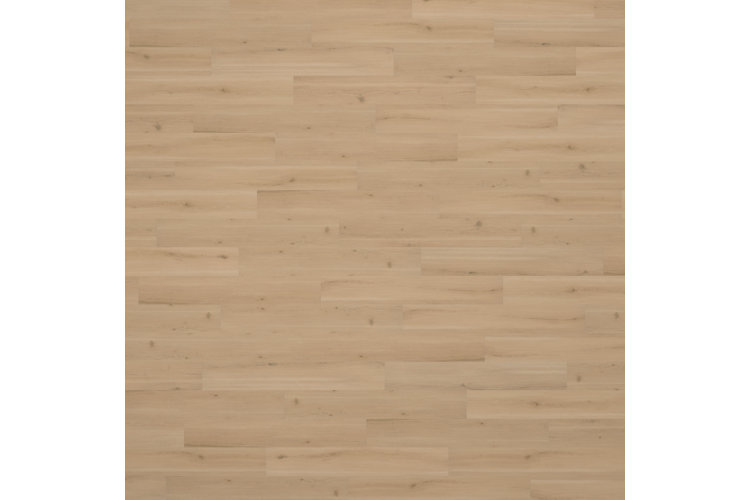
The first type of vinyl flooring on our list is vinyl planks! These are long, narrow, interlocking panels that often resemble hardwood with a more affordable price point. Vinyl planks come in a variety of different wood tones and display faux wood grains for an authentic look and feel. When it comes to installation, vinyl planks can be either click-lock, floating, or even peel-and-stick – giving you ample installation options.
With a better understanding of types of vinyl plank flooring, let's explore vinyl tile! Available in click-lock, peel-and-stick, or groutable styles, tile vinyl flooring is a reliable substitute to ceramic- and stone-tile flooring as it's more affordable and easier to install. Install vinyl tile in your entryway, kitchen, or even your bathroom thanks to water-resistant and even waterproof tile finishes.
Shop for stone-, ceramic-, or marble-inspired vinyl floor tiles below:
Installation Methods
As you shop for vinyl flooring, you'll also come across several installation methods for planks or tiles. Review this section to determine the best vinyl flooring installation option for your space and your DIY expertise.
Click-Lock
Click-lock vinyl flooring consists of either vinyl planks or tiles that have interlocking edges located along each of the sides/ends, which are designed to "click and lock" into place when pushed together. The best part about this type of vinyl flooring is that you don't need any type of adhesive for installation! Just insert the outer edge (tongue) of a flooring panel into the corresponding grooved edge of another panel. Gently press down as you lower the panel to the floor. You should hear a snap sound, which means that the pieces are successfully locked together. Repeat this process for the rest of the panels – no additional reinforcements required!
Tip!
To reduce noise and add comfort underfoot, pair click-lock vinyl flooring with a cushioned underlayment.
Made of either interlocking (click-lock) or tightly fitting pieces, floating vinyl flooring doesn't require glue or nails, allowing it to simply "rest" or "float" above the subfloor/underlayment layers. Because this vinyl flooring type requires little to no equipment to install, installation is easy to DIY. Choose between wood-look planks or stone-inspired floating vinyl tiles to get the look you want. To add comfort, dampen noise, and maintain its quality over time, we recommend rolling out an underlayment layer on the floor before adding the floating planks or tiles over top.
Looking for a different type of vinyl flooring that can be installed over the top of existing flooring? Try peel-and-stick vinyl flooring. Easy to install and great for homes or rented spaces, alike, peel-and-stick vinyl flooring comes with a binding agent already applied to the planks or tiles. When it comes time to install, simply peel away the backing and press the peel-and-stick plank/tile into place.
Tip!
You can easily remove peel-and-stick vinyl flooring by holding a hairdryer on a low-heat setting over the spot. This will help loosen the seal so you can peel off the planks/tiles with ease.
Groutable
Groutable vinyl flooring refers to vinyl tiles that are designed to be glued or placed tightly together on the ground before adding a layer of grout to the cracks between the tiles. This gives you a similar look and durability to actual stone tiles, but minus the price point. The grout adds to the tiles' water-resistant properties, as it helps seal the spaces between the tiles and prevents water from getting through to the subfloor. This makes groutable vinyl flooring ideal for kitchens, bathrooms, and other areas of your home prone to frequent moisture or water exposure.
Tip!
Now that you're more familiar with vinyl flooring designs, take a look at our Flooring Options & Materials Guide to explore more flooring types, or compare similar flooring options in Hardwood vs. Laminate vs. Vinyl Flooring: How to Choose Flooring That Exceeds Your Expectations.
You Might Also Like
Start browsing for vinyl flooring options!
