What Is a Blender?
Don't miss out on this kitchen essential.
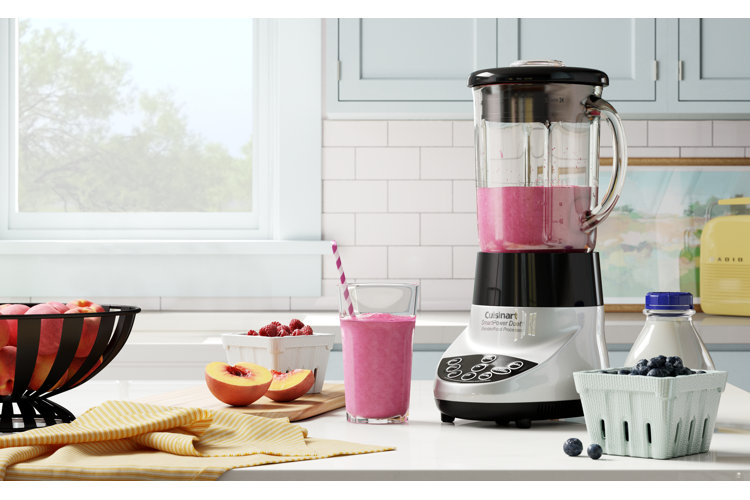
Blenders are important to have in any kitchen, whether you enjoy making homemade salad dressings or post-workout protein smoothies. In this guide, we break down what a blender is and how to distinguish it from other helpful kitchen appliances.
What Is a Blender?
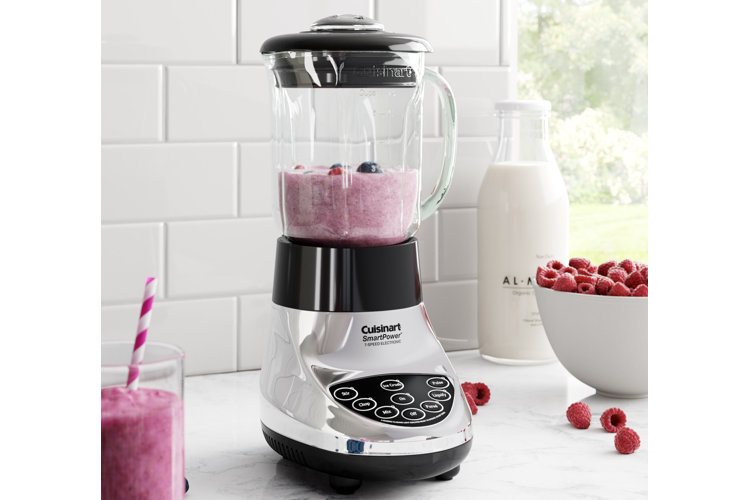
(Shop this image: countertop blenders, white bowls, and glass beverage containers with lids.)
A blender is an electric kitchen countertop appliance used to "blend" ingredients together with the help of fast-rotating blades. This results in delicious smoothies, milkshakes, pestos, salad dressings, nut butters, and a variety of other food creations to help you up your cooking game. You can even use a blender to mix up pancake batter! Blenders typically fit into three categories: countertop blenders (standard for blending in large quantities), personal blenders (perfect for making one smoothie at a time), or immersion blenders (ideal for blending hot ingredients).
Our guide on How to Choose a Blender goes over each type of blender option in more detail, including which blenders work the best for specific blending/mixing activities like crushing ice or pureeing ingredients for soup.
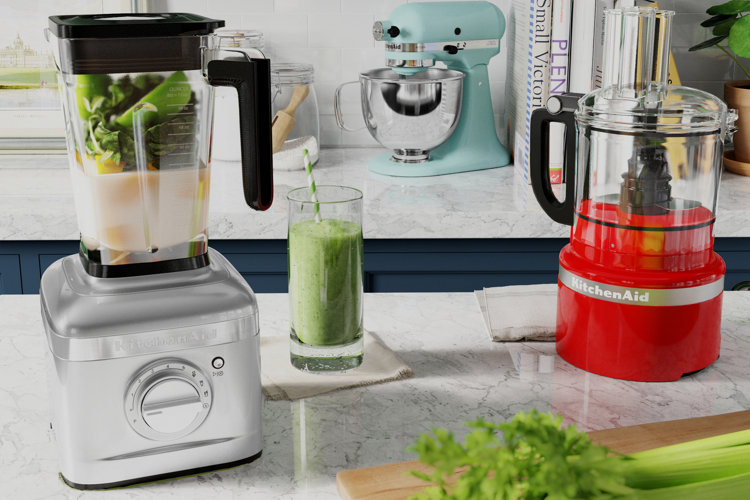
(Shop this image: countertop blenders, electric food processors, everyday drinking glasses, and blue mixers.)
In this section, we highlight the key differences between blenders and similar products – including food processors, juicers, and mixers – to help you make the best decision.
Blenders vs. Food Processors
Blenders are typically designed with a singular rotating blade, which works to combine or pulverize wet, dry, or a combination of wet and dry ingredients until smoothly blended. In contrast, food processors typically have more than one blade in order to complete a variety of food-processing activities from mixing, shredding, finely chopping, or even kneading dough. Although you can process wet ingredients like fruits or vegetables (like for homemade salsa or guacamole), food processors are best suited for processing dry food ingredients like nuts or flour.
Blenders: Smoothie-making, pureeing, or dressing making
Food Processors: Chopping/mincing, shredding, or dough kneading
Review What's the Difference Between a Food Processor & a Blender? for a more detailed comparison.
Tip!
Get the best of both worlds with a blender–food processor combo! This option helps you save on counter space while maximizing your food prep activities.
Blenders vs. Juicers
The main difference between blenders and juicers is the liquid consistency they each produce. Blenders produce thicker results, and although you can use a blender like a juicer, you'll likely need to use a mesh strainer to get rid of the excess food particles. In contrast, juicers are designed to do the work for you. They squeeze/extract the juice out of fruits or vegetables and remove or separate the pulp/tiny particles to achieve a smooth liquid result in minutes.
However, blenders offer more food prep options compared to juicers. It all comes down to your food prep needs and whether you enjoy more smoothies or green juices.
Blenders: Smoothie-making, pureeing, or dressing making
Juicers: Pulp-free fresh fruit juice or vegetable juice or nut milks
Check out Juicer vs. Blender: Which One is Best for You? to learn more about how they differ.
Blenders vs. Mixers
Blenders can also be used like mixers, but they do perform different functions. Since blenders have single rotating blades, they can be used for mixing batters for cakes, brownies, or pancakes. However, mixers come with whisks or electric beaters instead of blades to provide more precision mixing or kneading functions for a variety of baked goods. They're also ideal for making homemade icing or whipping cream. So, while blenders can be used to perform certain baking prep tasks, they're ultimately better-suited for more general food prep. Immersion blenders operate more similarly to mixers, so they can be used for tasks like making whipping cream. Learn more in our guide on What Is an Immersion Blender? (And How It Will Make Your Life Easier).
Blenders: Smoothie-making, pureeing, dressing making, or basic batter mixing
Mixers: Beating eggs, mixing batter, or mixing wet and dry baking ingredients
Tip!
With a better understanding of what a blender is and why one is a must-have in any kitchen, check out our top blender models: The 8 Best Blenders for Every Possible Use
