What Is a Sauté Pan?
Upgrade your cooking game.
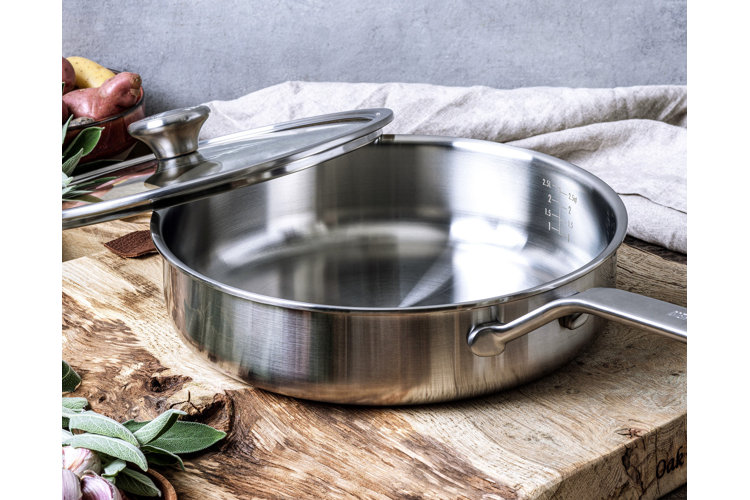
A sauté pan, saucepan, and skillet are all cooking utensils that may seem the same but differ considerably when you get down to the finer details. The sauté pan can be confusing since it looks so similar to the others – but never fear! We are here to help answer your question "What is a sauté pan?" and take a closer look at the different materials and features this important piece of cookware has available. Keep reading if you are looking to expand your culinary repertoire and find out if you need to add a sauté pan to your kitchen.
What Is a Sauté Pan?
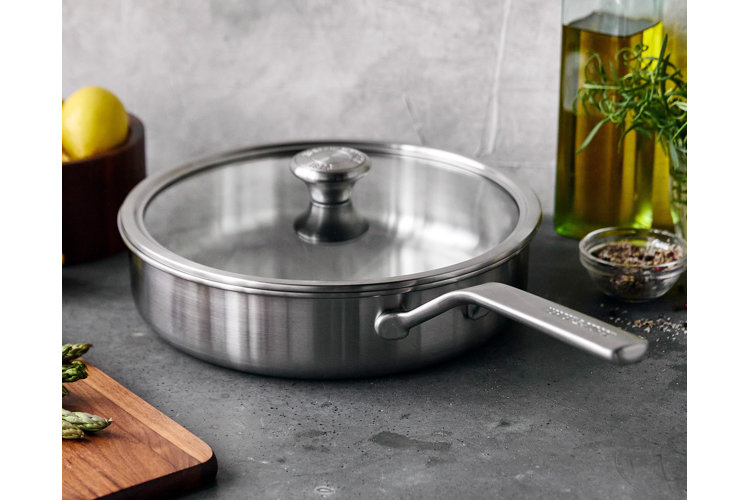
The primary but subtle difference between a sauté pan and most others is its shape. A sauté pan has straight sidewalls, while frying pans and skillets, for example, are designed with slanted edges. The vertical sides combined with the flat bottom means a sauté pan has a larger surface area than other pans with sloping edges of the same size. This design not only gives you more room to cook in but also helps prevent any spillage and leakage, making a sauté pan better suited to tasks like cooking ingredients in liquid like braising and shallow frying.
Tip!
For a more in-depth look at frying pans and skillets, read our guides What Is a Frying Pan? and What Is a Skillet? Find the Skillet That Suits Your Needs.
What Is a Sauté Pan Used For?
Having trouble deciding whether or not a sauté pan is something you will use in your kitchen? Consider the variety of stovetop cooking methods it can be used for. If you frequently perform any or all of these options, you should consider investing in one of your own.
Sautéing: When you sauté, you cook your ingredients in a single even layer spread out along the bottom of the pan. This allows excess steam to escape, making for quick cooking and maximizing browning to create more flavor. This method uses only enough fat to coat the pan and is commonly used when preparing soups, sauces, and stews.
Simmering: This technique involves cooking food in enough liquid to cover the ingredients. The liquid is first brought to a boil before the heat is lowered to a steady temperature where small bubbles will rise from the bottom to the surface. This can be done with the lid on or off. Simmering is good for slow-cooking stews, tenderizing firm foods, and combining ingredients across the broad surface area of the pan.
Shallow Frying: Also known as pan-frying, this method involves the frying of foods at a fairly high temperature using a small amount of hot fat (usually 1/4 to 1/3 inch deep) in order to only partially submerge the ingredients. The dry heat creates a crispy texture that is not as oily as deep frying (as long as you flip the food midway). The sauté pan also makes it easier to cook and move food more quickly and evenly.
Braising: To braise your food (typically meat), you must first lightly fry and then slowly stew the ingredients in a closed pan. Sauté pans typically come with a lid that allows for cooking dishes that require both direct heat (from the stove) and indirect heat (maintaining the warm temperature in the enclosed area with the lid on).
Reducing: Many sauces (and syrups) are made through the technique called reducing which is commonly performed in a sauté pan. This process involves boiling or simmering a liquid until most of the water evaporates in order to both thicken and concentrate the flavor. The straight pan sides also means liquid is less likely to splash over when cooking.
Finishing: Sauté pans are not solely to be used on the stovetop. When cooking foods like meat or frittatas, you can transfer your pan to the hot oven to finish it off and create a browned and crispy exterior texture.
Sauté Pan Materials
There are a few sauté pan materials, each offers different levels of heat conductivity, potential oven use, and maintenance – so you will need to select the one that works best for you.
Stainless Steel: This material allows you to do anything from searing on the stove or roasting in the oven. Stainless steel is excellent for heat conduction, transmitting heat rapidly and retaining it for longer. It maintains an even temperature when cold food is added to the hot pan, helping for an even cook. While stainless steel is durable and can withstand high temperatures, a little more effort is required to maintain the shine and prevent sticking to this sauté pan material.
Aluminum: While lightweight and good at distributing heat, aluminum is not as good at retaining heating – resulting in temperature fluctuations when food is added to the hot pan. It is typically more budget-friendly, which is why an aluminum sauté pan is a good first-time purchase if you aren't sure whether you will use it enough or not.
Nonstick: The nonstick property is great if you use your sauté pan for pancakes and eggs, although they do not offer as much of a sear as other materials and steel utensils can scratch the coating. Additionally, any pan with a nonstick pan cannot go into the oven due to the chemicals used in the manufacturing process.
Ceramic: Ceramic sauté pans do not contain any sprayed-on coatings, avoiding harmful chemicals from leaching into your food as you cook. This is particularly important to note because all-ceramic cookware can be placed in the oven.
Sauté Pan Features
In addition to the material and size of your sauté pan, there are some extras to consider.
Oven-Safe: These sauté pans can be transferred from the stovetop to the oven without the fear of any chemicals leaching into your food or damaging any sort of coating that cannot withstand those extreme temperatures.
PFOA- & PTFE-Free: PFOA (perfluorooctanoic acid) and PTFE (polytetrafluoroethylene) are both synthetic chemicals used when manufacturing some nonstick coatings. These chemicals have been linked to a number of health concerns, so it is better to avoid products that contain them.
Lid-Included: Sauté pans with lids can be used to simmer and braise food. Most come with a lid, but this option ensures yours comes with one.
Dishwasher-Safe: Washing a sauté pan by hand can be a chore – especially after reducing or simmering ingredients that leave residue. Choosing a dishwasher-safe option means your cleanup won't be a chore and you can rest assured that the pan will withstand the cleaning process.
Cool-Touch Handle: When working with a sauté pan, the last thing you want is to burn yourself. Cool-touch handles are designed to prevent the handle from heating up, no matter how long the pan is on the stove – avoiding any burns and injuries. Note, this only applies to the handle and not the pan itself.
Tip!
Beyond the sauté pan, there are plenty of other pots and pans to select from. Read Types of Pans & Pots for Every Purpose to learn more about which ones you might need.
Sauté Pan Capacities
When you choose your sauté pan, you should consider the number of family members you cook for, what meals you intend to cook, and the size of your kitchen. It's possible you might just need a single small or large sauté pan, or a range of options to best suit your culinary needs.
1–2 Quarts: A small one- to two-quart sauté pan will be sufficient for a single person – particularly if you prefer to cook smaller portions and have limited storage space. Food options range from one chicken breast to eggs, simple syrups, and small batches of vegetables.
3–4 Quarts: A medium three- or four-quart pan is good for between two and four members, giving you ample space to sauté vegetables or sear meats like steak (including up to two chicken breasts and four chicken thighs, depending on the size). This is a manageable size that won't take up too much room in your kitchen.
5–6+ Quarts: Larger households of five or more members would benefit from a sauté pan of this size. You will have more surface area to cook bigger cuts of meat and ingredient portions. Whether it is 20 meatballs, sizable stews and stocks, or baked pasta – a pan with these measurements is up to the task.
Now you know what a sauté pan is, , do you know which kind you would like to purchase? Visit our store and check out the impressive array of options we have for you!
