What Is a Swamp Cooler?
An eco-friendly way to beat the heat.
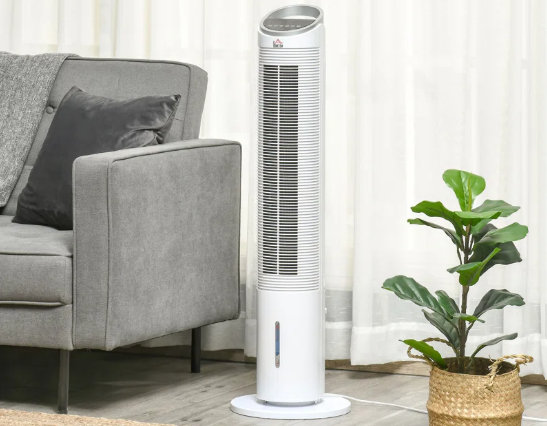
A swamp cooler, also known as an evaporative cooler, is an affordable, eco-friendly alternative to traditional air conditioning that can be used both indoors and outdoors. While traditional air conditioners rely on compressors and refrigerants, swamp coolers use the natural evaporation process to lower your home’s temperature. They draw warm air through water-saturated pads, cooling it then blowing the chilled air back into the home. Through this process, swamp coolers add moisture to the air, making them an ideal pick for hot, low-humidity climates.
Swamp Cooler vs. Air Conditioner
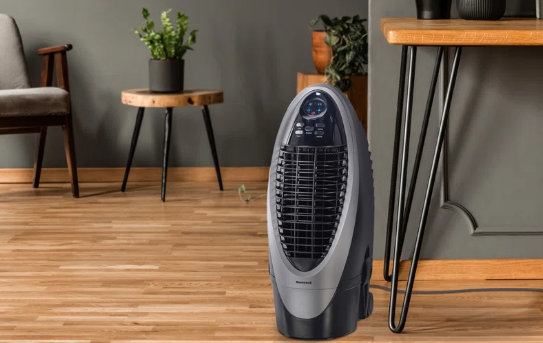
Here are the key differences between swamp coolers and air conditioners, so you can choose the best option for your home:
- Cooling Method: Swamp coolers use an evaporation system to cool air, while traditional air conditioners use compressors and refrigerants to extract heat.
- Best Climate: Swamp coolers are best suited for arid regions, while air conditioners work in a wide variety of climates, including humid areas.
- Energy Use: Swamp coolers use less electricity than air conditioners, making them a more sustainable option.
- Humidity: Swamp coolers add moisture to the air, while air conditioners typically remove it to help cool the home.
- Installation & Maintenance: Swamp coolers are usually portable or window-mounted and easy to install. Maintenance includes refilling the water reservoir and cleaning the cooling pads. Alternatively, many air conditioners require professional installation, especially central systems. Upkeep involves refrigerant checks, filter changes, and periodic servicing.
- Cost: Swamp coolers are typically more affordable than air conditioners – they offer a more accessible upfront price and reduced long-term energy costs thanks to their lower electricity usage.
Tip!
Read our No-Sweat Guide to Air Conditioner Types for a comprehensive breakdown on every type of cooling system.
Tips for Choosing a Swamp Cooler
- Know Your Climate: Swamp coolers are best suited for arid regions. If you live in a humid area, consider a traditional air conditioner instead.
- Measure Your Space: Choose a model compatible with the square footage of the area you want to cool – smaller swamp coolers may not effectively lower the temperature in large or outdoor spaces. Swamp coolers with an airflow of around 500 CFM (cubic feet per minute) are well-suited for small rooms up to 150 square feet. On the other hand, units rated between 2,000 and 2,500 CFM are ideal for larger areas up to 1,000 square feet. When used in outdoor spaces, always opt for a higher CFM.
- Pick Your Placement: Decide if a window-mounted, portable, or ground-mount cooler is best for your needs – window-mounted units are ideal for semi-permanent installation, portable selections can be moved from room to room, and ground-mounted models are great for large areas that require powerful airflow.
- Check the Water Source: Some swamp coolers can be manually refilled, while others require connection to a continuous water supply.
- Look for Bonus Features: Decide which features will enhance your swamp cooler experience, like a low-water indicator, remote control, or quiet mode for nighttime use.
Tip!
Browse our guide on What an Evaporative Cooler Is & Why It's Right for Your Home for more information.
