What Is Bright Indirect Light?
Give your houseplants the right light.
While growing plants indoors simplifies the gardening process, it still entails a certain level of upkeep – especially when it comes to lighting needs. All plants require sunlight for energy to create their own food – it is just the amount of light that varies from species to species. Some do best in full sun while others prefer low light, but it is bright indirect light in particular that we will be looking at. The question is, what is bright indirect light, how does it differ from other types of lighting, and where can it be found? Keep reading for these answers and more.
What Is Bright Indirect Light?
Houseplants come from all over the world, the majority of them originating on the rainforest floor. In these more tropical regions, they grew beneath the shade of overhead tree canopies in low or indirect light and not complete shade or direct sunlight. It's for this reason that low-light houseplants are unable to withstand exposure to large levels of sunlight streaming through your windows as they will often burn up and die. Similarly, without sufficient natural light, they may not flower or grow.
Since your home climate is vastly different to their natural habitats, it's up to you to place each of your houseplants in locations where they will receive the suitable amount of sunlight required in order for them to thrive and grow. Let's begin with understanding the way in which light is measured to help make sense of these different levels of light.
How Is Light Measured?
The unit of measurement for light is foot-candles (fc). This equals the amount of light given off by a candle at a distance of one square foot.
It is worth noting the intensity of lighting in one single spot in your house will vary depending on time of day (morning or afternoon), season, and the direction your house faces (north-, south-, east-, or west-facing). For this reason, you'll need a range of readings throughout the day to find the appropriate light conditions in your house. It is possible to use tools or phone apps to assess these lighting amounts.
Types of Indoor Plant Lighting
Once you understand how light is measured, you can now move onto learning about the different types of light. In general, there are three main categories of interior plant light: bright light, indirect light, and low light. Before we look at each more in-depth, you should know that some houseplants can survive in more than one type of lighting.
Bright Light
Bright light is considered the equivalent of between 1,000 and 10,000 foot-candles. In the northern hemisphere, this typically comes from windows that are south- or west-facing and receive direct sunlight without any curtains or shade from trees or buildings.
Indoor plants that do well in sunlight include:
Bird of paradise
Bonsai
Pine
Bright Indirect Light
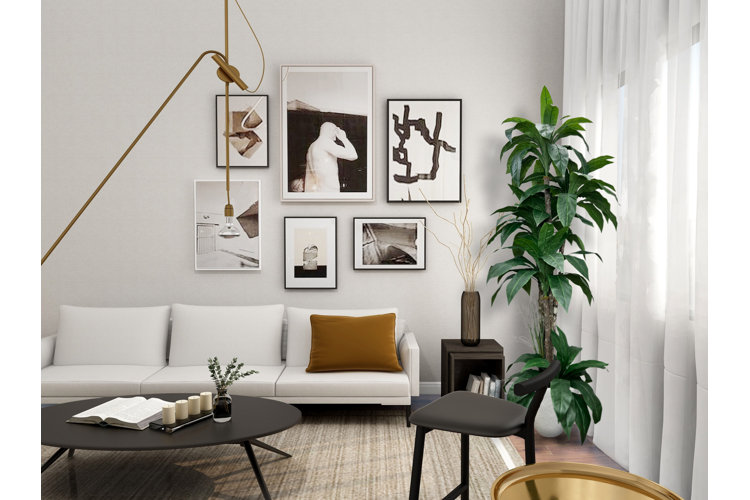
Bright indirect light ranges between 500 to 1,000 foot-candles, usually from windows that are east- or west-facing (early morning and afternoon). Windows that have a sheer curtain or anything to diffuse the light will also provide bright indirect light.
Philodendron
Monstera deliciosa
Fiddle leaf fig
Cactus
Dracaena
Ficus
Ivy
Money tree
Palm
Pothos
Succulent
Prayer plant
Indoor grow lights may become necessary for plants during the wintertime.
Low Light
Low light is considered between 25 to 100 foot-candles. North-facing windows receive the least amount of light, though you can also place your plants further away from windows facing other directions to obtain low light. Some low-light houseplants include:
Bamboo
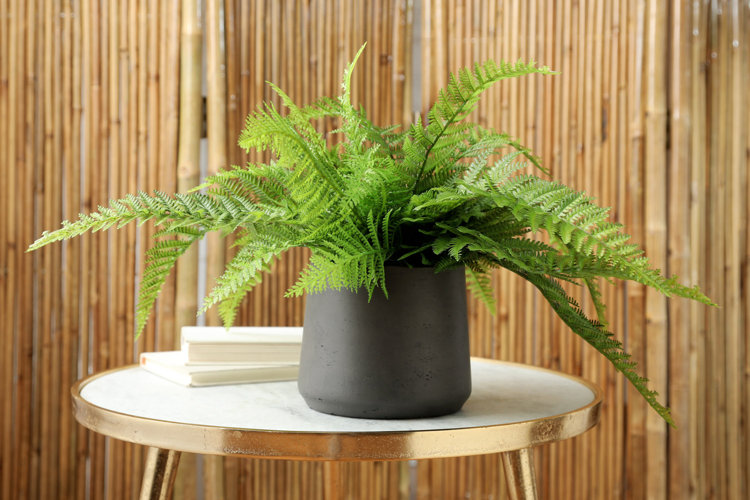
Fern
Snake plant
ZZ plant
Ivy
Read 11 Low-Light Indoor Plants for Your Home for more plant options and Plant Care: Best Indoor Plants & How to Care for Them for some extra guidance.
Hopefully, you now have the answer to your question "What is bright indirect light?" and you can now move on to purchasing the houseplants best suited to your home environment.
You Might Also Like:
