How to Keep Chickens Warm in the Winter: A Comprehensive Guide
Keep your feathered friends cozy and warm.
Chickens are fairly hardy animals. They walk around with little built-in feathered jackets and run hot at an average body temp of 106℉. However, depending on where you live, winters can be harsh and your chickens might need some help staying warm. Wondering what you need to do to prepare your chickens for winter? Whether you’re new to chicken care or want to give your chickens their coziest winter yet, we’ve got you covered. Read on to learn how to keep chickens warm in the winter.
Provide a Cozy Coop
Your chickens’ coop is their home. Make sure they have a good foundation and everything they need year-round – when winter comes around, you’ll only need to make a few adjustments.
- Inspect Your Coop: Before temperatures drop, inspect your coop for any roof leaks, damage, or openings where rodents can get in. Seal any openings or leaks, and add weather stripping to caulk around windows to insulate your coop better. Consider adding an automatic coop door that seals well to keep your chickens in when you want and to keep pests out.
- Pick the Perfect Location: Consider the current location of your coop. Moving it to a location that is better sheltered from wind and weather will help you keep it warm and dry. Try to choose an area that will be easy for you to get to in inclement weather and one that is close to a power source if you decide to supplement heat or light sources.
- Provide Proper Ventilation: Ventilation is essential for keeping your chickens happy and healthy. Proper vent placement aids in preventing moisture buildup and provides fresh airflow – excess moisture and ammonia buildup can cause respiratory issues in your chickens. You can install roof vents, or if you have a south-facing window, it can be left partially opened. Other windows can be opened daily when weather conditions allow for increased ventilation.
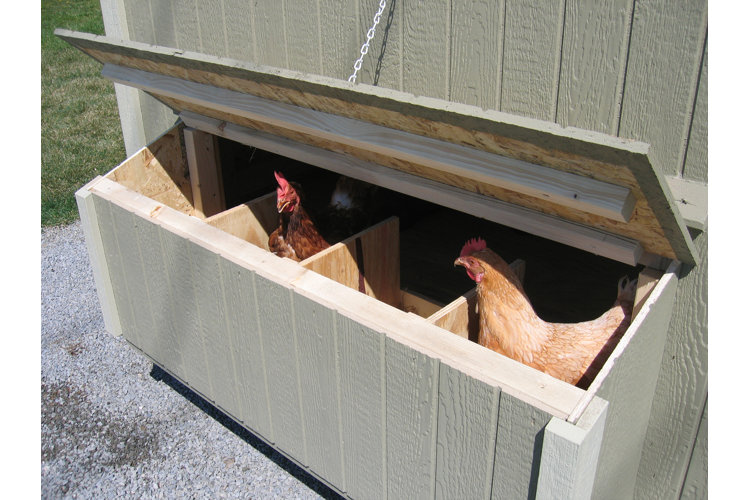
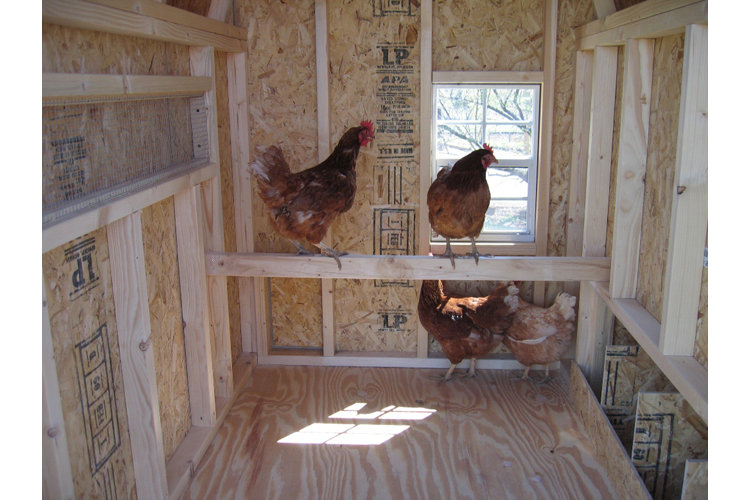
- Provide Roosts for Resting Chickens: Roosts are wooden boards or platforms that should be made of wood and are raised a least 12 inches above the floor. They offer chickens a place to rest at night. Since warm air rises, the roosts will be warmer than the floor of the coop. Do not use metal or plastic for the roosts as this can lead to frostbite. Your coop should also have nesting boxes with dedicated space for laying eggs and cozying up.
- Consider Adding Insulation: If your coop is unfinished, you can consider adding a layer of insulation. A well-insulated chicken coop may not require any supplemental heating – since chickens themselves are warm, their bodies will create heat within the coop, and the insulation will keep it in. Make sure to wall off the insulation so the chickens cannot peck at it and consume it – this can be very harmful to the chicken.
Tip!
Don’t have a coop yet? Pick the perfect set up with Planning a Chicken Coop.
Focus on Your Chickens’ Health
Do your research to make the best choices for your chickens. Here are some more things to consider when keeping your chickens warm and healthy during the winter months.
- Know Your Breed: Research your chicken breed and its specific needs. Some breeds, especially those that are bigger and more heavily feathered, can tolerate lower temperatures. Smaller breeds have other needs and may require supplemental heating.
- Increase Feed: Chickens typically require more food during the winter months. You may need to increase your flock’s feed by up to 25% during the winter. Store all chicken feed in an airtight container to protect it from moisture and rodents.
- Offer Extra Treats: You can feed your chicken scratch grains and some table scraps as treats. Scratch grains such as corn, oats, wheat, and barley can be sprinkled in your chickens’ coop or run. Not only does this provide extra calories, but searching for the grain serves as an enrichment activity for your chickens to keep them from getting bored when they are cooped up.
- Consider Supplementing Light: Chickens require about 14–16 hours of light to continue producing eggs. Depending on where you are located, you likely won’t see this much natural light during the winter months. You can elect to add a light on a timer inside your chicken coop so your chickens continue to produce eggs. Alternatively, you can let nature take its course and allow your chickens to rest and molt during the winter.
Keeping your chicken coop clean and dry is half the battle of maintaining a warm space for your flock all winter. Follow these tips to learn how.
- Install Removable Trays: Keeping waste under control is very important since chicken manure is primarily made up of water and can contribute moisture to the coop. To make cleanup easy, you can install removable trays under roosting sites. Soiled bedding on the floor should also be cleaned out routinely – you can replace it every two to three weeks.
- Try the “Deep Bedding” Method: This consists of adding 4–6 inches of straw or shavings to the floor of your coop. Instead of replacing the bedding routinely, you will stir the bedding frequently to allow the manure to move to the bottom of the bedding. The bottom bedding and manure will begin to compost and create its own heat, which will naturally warm the coop. You can add fresh bedding to the top as the bedding starts to compost.
- Encourage Chickens to Get Outside: Create a sheltered run or add a transparent covering to your current chicken run to encourage your chickens to get fresh air, sunlight, and exercise during the winter. Cover the floor of the run with extra shavings, old grass clippings, leaf litter, and other yard materials – this can support bugs and worms, which are tasty treats and source of enrichment for your chickens. Put their feed in the run to encourage them to spend more time outside. This will reduce the amount of waste in the coop as well. If you have a greenhouse, consider allowing your chickens to use it as a run during the day – their body heat will help keep it extra toasty.
Consider Supplemental Heating
You may need to add supplemental heating to your coop, depending on where you live and your chicken’s breed requirements. Below are a few suggestions to check out to help you make the right decision for your flock.
- Install Thermometers to Track Coop Temperature: Consider supplementing heat in your coop if temperatures fall below 35℉. Install thermometers inside your coop at different levels to keep track of the temperature, and check them regularly.
- Choose an Electric Heating Source: If you decide to use an electric chicken coop heater, you can use a chicken coop heating pad, brooder, or heating lamp. Make sure any heating source you use is designed for use in chicken coops, and follow instructions to prevent fires or electric shock. Note: Heating lamps pose an increased risk and need to be secured higher up where they won’t come in contact with bedding or accidentally fall.
- Invest in a Heated Chicken Waterer: Your chickens need constant access to clean water. A heated chicken waterer can save you a lot of time and the hassle of thawing out their water. A heated chicken waterer will heat the water enough that it does not freeze but will be comfortable for them to drink.
