Raised Garden Bed Ideas to Level Up Your Gardening
Get the most out of your gardening experience.
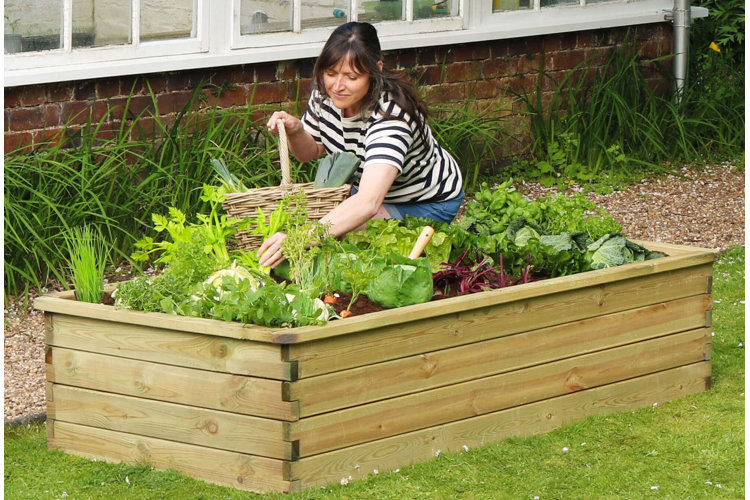
Raised garden beds are versatile and offer an array of benefits, including improved soil health, easier maintenance, and aesthetic appeal – check out these 10 raised garden bed ideas for inspiration to get started.
1. Wood Raised Bed Garden for a Natural Aesthetic
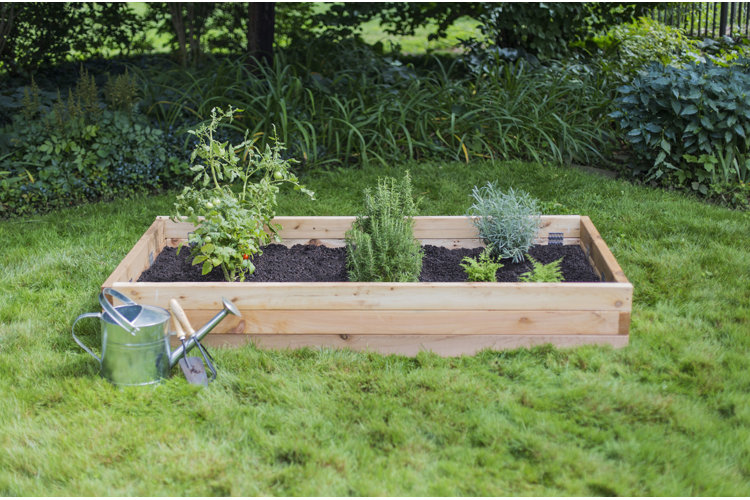
Go with a simple wood raised garden bed to plant fruits, vegetables, or flowers. Wood gives you a natural aesthetic reminiscent of your classic backyard vegetable garden. There are several benefits to using wood to construct a raised garden bed: it’s a biodegradable material, it provides better insulation for plant roots, it’s easily customizable, and it’s easy to work with if you are building your own.
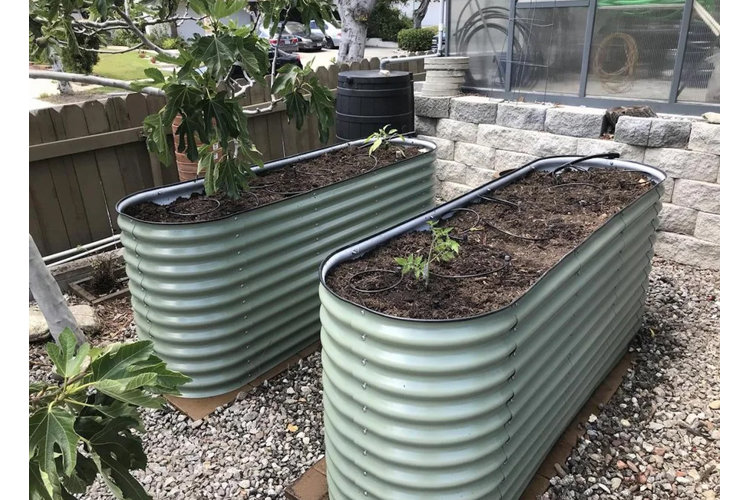
Metal is another great option for raised garden beds, and is especially good for tall garden beds (which reduce your need to bend over or kneel when gardening). Metal garden beds are very durable, weather-resistant, less susceptible to pest damage, and easy to clean. Galvanized metal garden beds have a zinc coating that prevents rust, which can harm your plants. Corten steel garden beds give you a rustic weathered look, without the negative effects of rust.
Choose a raised bed in a U-shape to create a walking path so you can easily access your plants. This style increases efficiency in watering plants, pulling weeds, and harvesting since you won’t have to walk over and potentially step on plants. The U-shape design makes it easy to space out plants and keep track of different plant species.
A key-hole compost is a small composting bin that sits in the middle of your raised garden bed. Composting materials like yard waste, vegetable scraps, and compostable paper go straight into the bin, so that when they decompose, they leech nutrients straight into your garden bed’s soil. Key-hole compositing is a great way to add functionality and sustainability to your gardening practice. It also encourages recycling in your household while benefitting your plants.
Tip!
Interested in sustainable gardening? Learn more about composting with our guides: How to Compost Like a Pro and How to Make Compost the Right Way.
5. Tiered Raised Bed Garden
Tiered garden beds are a functional and stylish way to organize your garden plants. The multiple tiers of garden beds help with water drainage and prevent soil erosion. Having separate tiers can help you separate plants, so they can be easily identified and cared for based on their specific needs. Having separate tiered sections also makes it easier to rotate crops, which is beneficial for the soil. Tiered beds can also be used to create beautiful flower displays where each plant can be seen and get sufficient sunlight and water.
Take the work out of watering your garden by adding an automatic irrigation kit or by choosing a self-watering garden bed. Irrigation kits are easy to install in your garden beds and are connected to a water supply. You can set them on a timer to water at specific times to suit your plants’ watering needs. A self-watering raised bed garden has a reservoir that collects water for the plants to drink as they need. If you’re worried about your crops getting too much water, choose a raised garden bed with drainage holes so excess water doesn’t get trapped in the soil.
Tip!
Make your garden even easier to maintain and more sustainable with the Best Rain Barrels.
7. Fence It In
Add fencing to your raised garden bed to keep hungry predators out. Adding a barrier of chicken fencing will help keep out bunnies, pets, and other critters that like to nibble on your flowers and crops. Protect the perimeter or create a top barrier as well to keep out birds, squirrels, and chipmunks that are good at climbing.
Use garden bed extension hardware to easily build your own garden beds or customize your current garden bed setup. Connect several garden beds to give yourself more planting space, build a tiered garden, or create aesthetically pleasing landscaping gardens to display your flowers and ornamental plants. Add garden signs to label different plant species for easy identification or to dedicate a garden to a loved one or friend. With customizable tools, it’s easy to create your dream garden.
Tip!
Need help making your garden your own? Get inspired with these Garden Decor Ideas.
9. Take Advantage of Vertical Growing Space
Make the most of your planting space by adding a trellis to your raised garden bed. Trellises offer a vertical growing place for vines and additional support for tall plants. They are useful when growing tomatoes, squash, peas, and cucumbers – keeping these crops off the soil makes for a healthier crop. Trellises are also a great way to display flowering plants like clematis, honeysuckle, and climbing roses, adding an eye-catching element to any garden. Choose from different trellis shapes including obelisk, fan, or arched to get the aesthetic you’re looking for.
Put your raised garden beds in a greenhouse to extend your growing seasons. Greenhouses allow you to control your temperature and humidity, so you can grow plants even if you're outside of their typical cultivation area. Greenhouses protect your plants and garden bed from extreme weather like snow, torrential rains, and wind, and they also offer protection against pests. If you can’t spring for a full greenhouse, mini-greenhouses can be placed directly over a raised garden bed and also offer protection against predators and weather. Cold-frame greenhouses are also small structures that are placed over raised garden beds and can be used to extend growing seasons, protect seedlings, and winter over crops.
