Why Do You Need a Runner & Where Should You Use One?
Tread confidently!
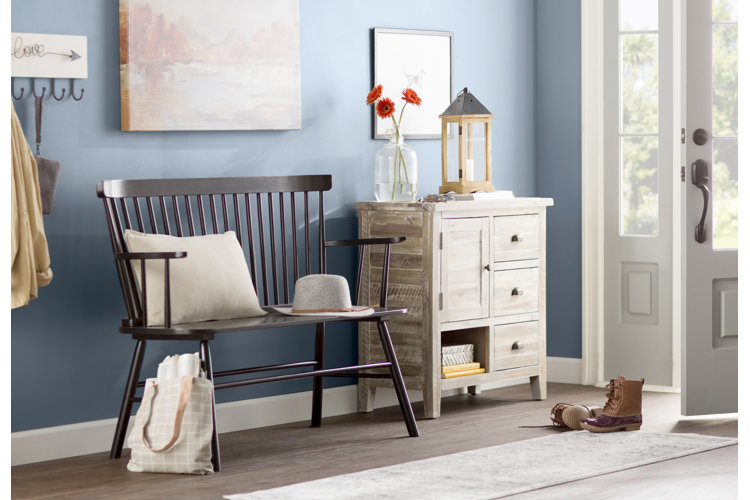
Hallway runners are an excellent addition that can tie a room together, soften bare spaces, and protect your floors. Explore more benefits of hallway runners and where to position them in your home for maximum comfort.
Why Do You Need a Runner?
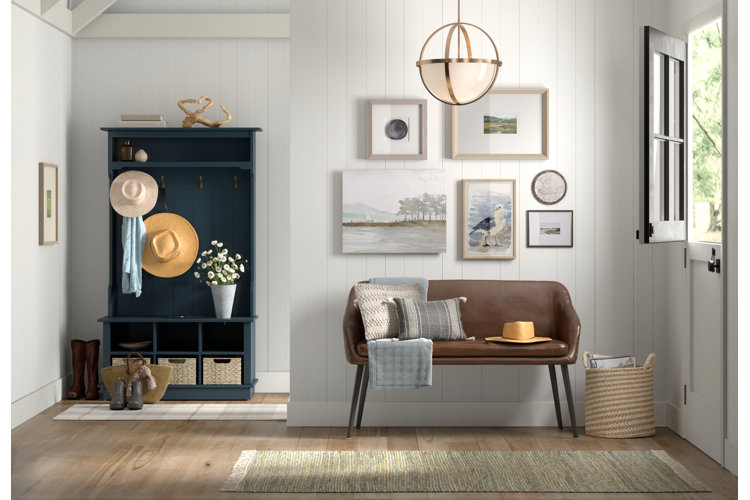
(Shop this image: blue hall trees, leather benches, plaid runners, jute runners, and woven baskets)
A runner rug – or “runner” for short – refers to a type of rug that is long, narrow, and typically rectangular (though oval is a common shape too). Runners are incredibly versatile and their oblong shape makes them useful in narrow areas. From adding comfort and style to protecting your floors, runners make a significant difference in any space. Here are just a few reasons why you need a runner:
- A runner can add texture and depth to an otherwise bare room, especially empty hallways.
- It can provide warmth underfoot in rooms with cold tile or flooring.
- A kitchen runner rug can help ease fatigue on your feet as you stand for long periods.
- They can protect hardwood flooring from dirt, stains, and wear and tear in high-traffic locations, especially entryways.
- They are a budget-friendly way to add style and texture to your floors.
- A runner can work to delineate a larger space by creating visual boundaries and helping to break up a large room.
Tip!
Before shopping for your runner, measure the space to ensure it will fit correctly. Read How to Choose the Right Runner Rug Sizes for more measuring info.
Where Should You Use a Runner?
With ample versatility, runners can be a welcome addition to a variety of different spaces. From hallways to kitchens, here are some spots where these rugs work well.
1. Place One in the Hallway
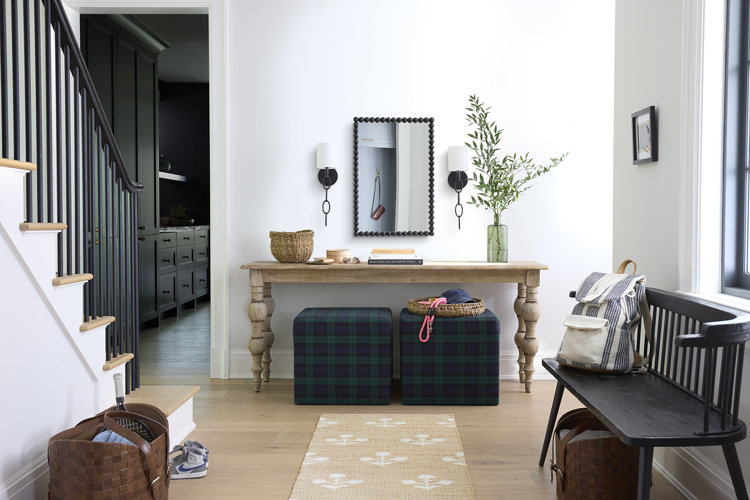
(Shop this image: plaid ottomans, farmhouse console tables, jute runners, and entryway benches)
Hallways are typically the most common space to use a runner. Runners can protect the flooring in high-traffic hallways and provide traction on slick flooring. It can be difficult to add character to hallways given their narrow floorplans, but a hallway runner can easily elevate this space – making it seem cozier, wider, and lighter by bringing in color and dimension. Hallway runners also dampen the sound of footsteps – adding a little more peace and quiet to your home.
(Shop this image: white hall trees, gray runners, orange indoor planters, and blue woven baskets)
A runner rug will add charm to any entryway – giving all your guests a warm welcome. Rugs can help ground a large foyer, but even small entrances can benefit from a runner in much the same way hallways do. The runner will bring visual interest and functionality to the space – maximizing the floor space of a small entryway. As an added bonus, runners will help to keep your floors clean from the dirt that gets tracked in from the outside.
(Shop this image: jute runners, beige area rugs, yellow backsplash tiles, and wooden step stools)
Depending on the layout of your kitchen, a runner rug can be placed in front of the stove or kitchen sink to ease fatigue and provide cushioning if you spend hours cooking or washing dishes (especially when paired with a plush rug pad beneath). If you have an island or a galley kitchen, place your runner between the cabinets to add flow, texture, and color to the space. Of course, the rug will also help protect your floor from spills, dishwater, and general wear and tear too.
Tip!
Opt for a washable runner in case you do encounter spills or stains. Simply toss the runner into the washing machine for a routine refresh.
(Shop this image: yellow wallpaper, blue bath towels, white runners, and wicker laundry hampers)
Bathrooms are a fantastic place to incorporate a runner rug. Here, runners will offer warmth and comfort on cold tiles, as well as providing grip on wet floors. Place one in front of a bathtub for traction when you’re getting out, or place a runner in front of the vanity for added comfort while brushing your teeth. Runners are especially useful in bathrooms with double vanities that require something longer than a typical bath mat. Just make sure you choose a runner that can handle the splashes and high humidity in a bathroom environment. Water-resistant rugs are designed to repel water and prevent water damage.
Tip!
If your bathroom features heated floors, opt for a runner that’s compatible. These rugs are typically more breathable, allowing heat to pass through easily and the underfloor heating system to work most effectively.
(Shop this image: blue runners, white bedding sets, bolster pillows, yellow throw blankets), and green table lamps)
Add a runner to your bedroom for color and texture without the price tag of a full-sized area rug. Run it along the side of the bed, at the foot of it, or between two twin beds to balance the space. Since the bedroom is a low-traffic area, a high-pile runner will work well while adding ample softness. Try a shag or faux fur rug alongside your bed to help ease the transition when getting out of bed each morning.
(Shop this image: laundry baskets, blue runners, laundry carts, and washer & dryer sets)
Laundry rooms are often utilitarian spaces with tile floors and stark white appliances – giving them a cold and hard feeling. Adding a runner rug to this room will provide cushioning beneath your feet as you perform chores like sorting, ironing, and folding clothes. Runners add color, soft texture, and charming aesthetic to a room that desperately needs it.
(Shop this image: rattan patio chairs, outdoor runners, hanging planters, and wooden garden stools)
Your home exterior is not likely the first place that comes to mind when considering rug placement, but it can still benefit from it. Utilizing a runner on a bare patio will not only make for a more welcoming spot to enjoy the outdoors, but also work to extend your home interior to the outside. A narrow balcony is also the perfect place to add a floor runner as a way to create a more comfortable and intimate location, while runners placed in high-traffic walkways can reduce slippery surfaces.
Frequently Asked Questions
What is a runner rug used for?
Runner rugs are used to add softness to hallways, kitchens, and entryways.
Do runners protect floors?
Yes, they prevent scratches and wear.
Are runners safe?
Yes, runners with a nonslip backing prevents slips.
What size are runner rugs?
They typically measure 2–3 ft. wide and 6–14 ft. long.
