How to Attract Birds to Your Yard: Feeders, Plants & Birdhouses
This millet brings all the birds to the yard.
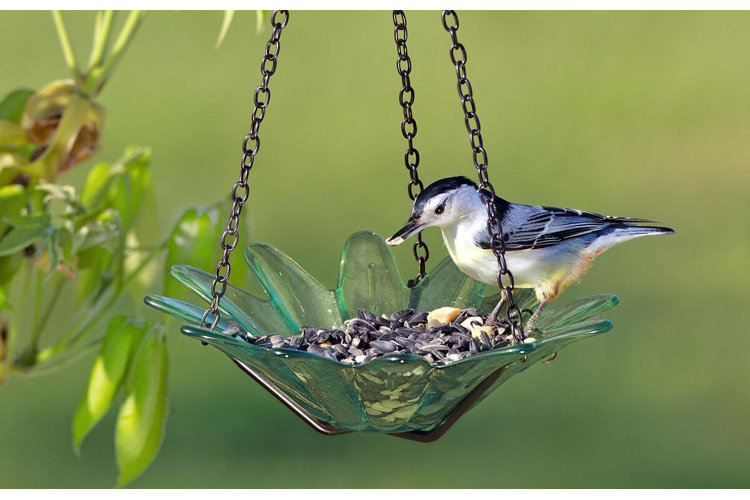
There is something special about connecting to nature and enjoying a slower pace from your own backyard. Watching a vibrant hummingbird zip by or listening to the cheerful chirp of a goldfinch adds a sense of wonder to your daily routine. Learning how to attract birds to your yard isn't just great for your local ecosystem – it's an exceptional way to turn your outdoor living space into an inviting, serene escape.
Whether you want to discover how to attract birds to a bird feeder, pick out the perfect birdhouse, or plant a thriving, bird-friendly garden, we have you covered. Read on to transform your backyard into a bustling bird hub.
1. Include a Dynamic Variety of Bird Feeders
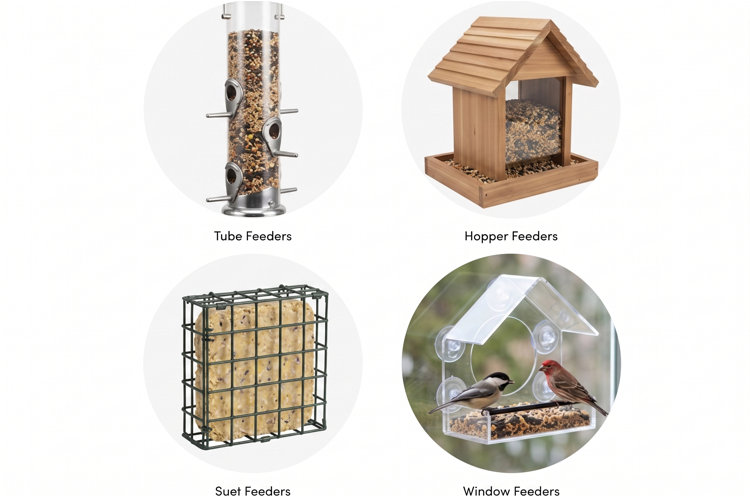
Variety is the secret to attracting new birds to your yard. Different bird species have distinct shapes, sizes, and feeding preferences, so hanging a few different types of bird feeders will attract more diversity in your feathered friends.
- Tube Feeders: These classic hanging cylinders feature tiny perches, ideal for small birds such as finches, chickadees, and titmice. Fill them with high-quality sunflower seeds or millet seeds.
- Hopper Feeders: Shaped like charming little houses, hopper feeders hold larger amounts of seed, perfect for mid-sized birds like blue jays, grosbeaks, and northern cardinals to land and grab a bite.
- Suet Feeders: These simple wire cages hold suet (dense cakes of fat and protein). Suet is a favorite of nuthatches, wrens, and various woodpeckers – especially during autumn and winter, when they need high-energy fuel.
- Window Feeders: Want to improve your view? Suction cups mount these clear feeders directly to your glass, giving you a crystal-clear look at smaller birds right from your kitchen counter or living room window.
Neighborly Tip!
When figuring out how to attract birds to feeder locations, placement is everything. Position your feeders roughly 10 feet away from dense brush. This gives birds a quick, safe escape route from predatory hawks while keeping the immediate area clear so outdoor cats can't ambush them from below.
Food will bring birds in, but water keeps them coming back. In fact, adding a bird bath to your yard can draw in insect-eating species that ignore seed feeders entirely, like colorful warblers and orioles.
To make your oasis irresistible, keep these three rules in mind:
1. Keep it Shallow
Backyard birds like to wade and splash, but they’re not strong swimmers. Choose a bird bath with a shallow basin – ideally between 1 and 2 inches deep.
2. Add Texture
Smooth surfaces can be slippery for tiny bird feet. Look for bird baths made of concrete, stone, or other textured materials to help your feathered visitors get a good grip.
3. Make a Splash
Most birds have incredible hearing and are drawn to the sound of running water. Add a small solar fountain, dripper, or water mister to your bird bath area to attract local birds.
Neighborly Tip!
Standing, deck-mounted, and hanging bird bath options make it easy to add this bird-friendly feature to any size backyard.
With their iridescent gem tones, hummingbirds are the sparkling jewels of the backyard world. Attracting hummingbirds requires a slightly different approach than your average songbird. They are constantly searching for nectar to fuel their lighting-fast metabolism.
- Go Red: Thanks to their highly evolved color vision, hummingbirds are attracted to vibrant red and orange shades. Choose a hummingbird feeder with a bright red base or red glass.
- Mix Your Own Nectar: Sweet, sugary nectar is the key to this bird's fast beating heart. Skip the store-bought nectars, which often contain dyes, and make fresh hummingbird food at home. Mix four parts water with one part plain white granulated sugar – boil the mixture until the sugar fully dissolves, and add it to your feeder once completely cooled. Change out uneaten nectar every 2 to 4 days and clean your feeder thoroughly to prevent fungal growth that can make hummingbirds sick.
- Plant Tubular Blooms: Complement your feeders and attract hummingbirds to your yard by planting nectar-rich native flowers around your feeder. Hummingbirds adore bee balm, trumpet vine, salvias, and columbine.
Turn temporary backyard visitors into permanent neighbors by offering them a safe space to raise their families. Installing birdhouses or nesting boxes in your backyard is a great way to offer shelter to birds and their babies, while also adding rustic charm to your outdoor space. Mount the house securely on a pole or tree trunk, preferably facing away from prevailing winds and hot afternoon sun.
When selecting a bird house, look for functional features such as:
- Ventilation slots near the roof
- Drainage holes on the floor
- A clean-out hatch so you can tidy up in between nesting seasons
Neighborly Tip!
Make sure the entrance hole matches the exact species you want to attract. For instance, bluebirds need a 1.5-inch opening, while tiny house wrens prefer a smaller 1.125-inch doorway to prevent larger, aggressive birds from taking over the nest.
5. Plant Layers of Natural Food & Shelter
While keeping your bird feeding stations stocked with seed is fantastic, a truly bird-friendly backyard mimics nature's layered landscapes. Provide multi-tiered native plants that offer food, protection, and nesting sites for your local bird species.
- The Ground Layer: Before you start yard cleanup, allow a few native grasses or seed-bearing perennial flowers like coneflowers, black-eyed Susans, and sunflowers to dry out in the fall. Their seed heads provide a natural buffet for ground-feeding birds like sparrows and towhees during chilly winter months.
- The Shrub Layer: Include berry-producing shrubs like dogwood, serviceberry, winterberry, and elderberry in your landscape. These produce vital nutrients that migratory birds rely on to fuel up for long journeys.
- The Canopy Layer: Mature trees – especially oaks, maples, and pines – provide structure for your backyard sanctuary. They shelter birds from harsh storms and serve as safe harbors for building nests high out of reach. Safer nests mean more generations of birds that will consider your backyard their home.
Neighborly Tip!
Learn more sustainable gardening tips to create a yard that attracts pollinators and guests alike:
Sustainable Gardening: Your How-To Guide
Chaos Gardening: A Comprehensive Guide on the Viral Gardening Trend
Raised Garden Bed Ideas to Level Up Your Gardening
Frequently Asked Questions
How long does it take for birds to find a new feeder?
It can take anywhere from a few days to several weeks for birds to get comfortable with a new addition to your yard. Birds are creatures of habit and are naturally cautious around new objects. To speed up the process, try sprinkling a little bit of loose seed on the ground directly beneath the feeder to draw their attention.
How often should I clean my bird feeders and bird baths?
To keep your backyard flock healthy, you should clean your bird feeders at least once every two weeks using a solution of nine parts water to one part white vinegar or mild soap, rinsing thoroughly. Bird baths should be scrubbed and refilled with fresh water every two to three days to prevent algae buildup and deter mosquitoes from breeding.
Will bird feeders attract unwanted pests like mice or raccoons?
Seed spills can occasionally attract ground pests. To minimize this, use a seed catcher tray beneath your hanging feeders, choose "no-waste" seed mixes (which feature pre-shelled seeds that birds eat entirely), and mount your setups on poles equipped with specialized baffles to prevent squirrels and raccoons from climbing up.
What do birds eat?
Birds eat a wide variety of foods depending on their species, including seeds, nuts, fruits, berries, insects, nectar, and suet. Many common backyard birds, such as finches and chickadees, enjoy sunflower seeds, while robins and bluebirds are more likely to feed on insects and fruit. Offering a mix of bird-friendly foods can help attract a greater variety of species to your yard.
How to attract birds to a bird bath?
To attract birds to a bird bath, place it in a quiet location near trees or shrubs where birds can perch and feel safe. Keep the water clean and shallow, and refresh it regularly to provide a reliable source of fresh water. Adding moving water with a fountain, bubbler, or dripper can make the bird bath even more appealing, as birds are naturally drawn to the sound and sight of running water. Pairing your bird bath with nearby bird feeders and native plants can further encourage visits from local birds.
