Tomato Growing Tips for Happy & Healthy Plants
Get growing with this beginner-friendly vegetable.
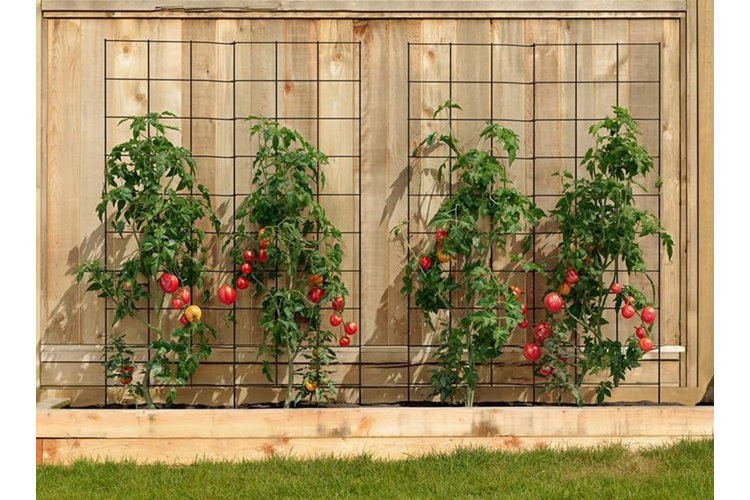
If you're thinking about growing tomatoes or looking for ways to increase your tomato yield, we've got you covered. Here are 14 tomato growing tips for delicious results.
1. Choose Your Tomato
The first tip for growing tomatoes is to dig in and do some research (you're already ahead of the game by reading this guide!) to ensure you choose the best tomato varieties that will thrive in your specific climate and outdoor space – in addition to fulfilling your culinary needs. Here's what to keep in mind when shopping for tomato plants:
Hardiness Zones
To ensure success, start by identifying your local hardiness zone. The USDA (the United States Department of Agriculture) has a feature where you can enter your zipcode to find your hardiness zone number. The UK also follows the USDA's hardiness zone guidelines and most of the UK falls under hardiness zones 8 or 9 with a few exceptions. For Canada, and other countries, reference their specific government resources. Your local plant nursery may serve as a great source for tomato plants that thrive in your area.
Most tomato plants can grow and thrive in hardiness zones 5 – 10, with the ideal conditions being zones 6 – 8. When shopping for seeds or seedlings, it should specify the best growing zone for the tomato variety. You can also research the best tomatoes for your specific hardiness growing zone. If you live in a moist climate, you'll need a tomato variety that can resist moisture-related diseases like blight. For colder growing zones, you'll likely need a tomato variety that can withstand lower summertime temperatures. However, you can always grow them in a greenhouse!
Tip!
Regardless of hardiness zone, tomato plants benefit from six to eight hours of direct sunlight per day, so make sure your proposed garden spot receives adequate sunlight.
Types of Tomatoes
Next, think about the types of tomatoes you want to grow. Cherry tomatoes are perfect for salads or dish toppings, beefsteak tomatoes are ideal for slicing, and roma tomatoes are the main ingredient for any tomato sauce or paste. Regardless of type, tomatoes also come in a range of colors, from classic red to orange to yellow – even purple. Heirloom tomato varieties are specially bred for their unique colorations, flavor profiles, and pest- or disease-resistance.
Indeterminate vs. Determinate Tomato Varieties
As you consider tomato plant options, you'll often see a particular plant labeled "determinate" or "indeterminate." This is an important distinction to know because it refers to the tomato plant's life cycle and fruit production.
- Determinate Tomato Plants: Tomato plants classified as "determinate" mature a bit faster than indeterminate plants and produce all of their fruit at the same time before dying off. Some determinate varieties can produce another smaller yield. Because they produce all of their fruit at the same time, determinate tomato plants are ideal for canning. Determinate plants are also more bushy than indeterminate plants and reach 3' – 4' tall at most, making them a space-friendly choice for small gardens, patios, or balconies.
- Indeterminate Tomato Plants: In contrast to determinate varieties, indeterminate tomato plants grow and produce fruit all season long, only stopping when temperatures drop or a frost hits. The benefit of indeterminate tomatoes is that you can come back and harvest again and again from a single plant. Because they continuously grow, indeterminate tomato plants can get from 6' to 12' tall. However, they thrive with the right stake support.
Tip!
Grow both indeterminate and determinate tomato plants so you'll have plenty of tomatoes to harvest throughout the season.
2. Choose the Proper Growing Medium
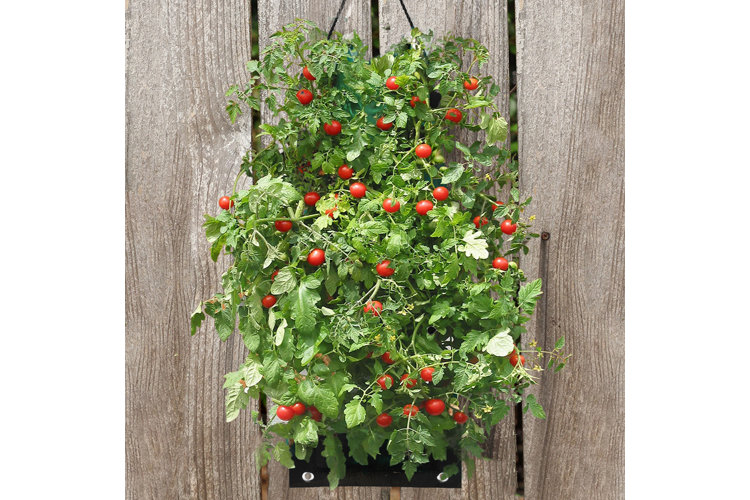
Once you've chosen one or more tomato varieties, you need to think about the proper growing medium. Reference what you've learned about a particular tomato variety to help in your decision.
- Micro tomatoes and determinate tomato varieties work well in wall planters, hanging planters, or space-friendly floor planters on apartment balconies, decks, or patios.
- Indeterminate tomato varieties do well when placed in large spacious planters, raised beds, or directly into the ground (with the right soil amendments).
Tip!
For tomatoes being grown in an environment that has inconsistent or lower summertime temps, it may be best to plant them in containers or raised beds inside of a greenhouse.
3. Harden Off Tomato Seedlings for One Week Before Planting
Whether you choose to grow tomato plants from seed or pick up seedlings from your local plant nursery, they need to get acclimated to outdoor conditions before you plant them outside. This prevents seedlings from getting "transfer shock", allowing them to grow and thrive as soon as they're placed in the soil. The process of exposing tomato seedlings to the outside environment is referred to as "hardening off" the seedlings. For a few hours each day, place your seedlings outdoors. Refrain if it's super cold, hot, windy, or pouring down rain, as your seedlings need a gentle introduction to the outside world. On the first day, leave them out for one hour, on the second day, two to three hours, and so on. Do this for about seven to 10 days so they have plenty of time to acclimate.
4. Consider Soil Depth & Spacing Needs
If you plan to grow tomatoes in patio containers or raised garden beds, it's recommended that they have about 12" of soil depth to properly grow and spread their roots. Micro tomatoes and patio-specific varieties may not need the same soil depth, which is why it's important to check the seed packet, plant care label, or online resources to learn more about a tomato variety's ideal growing conditions.
Spacing/space needs is another important consideration when selecting a tomato variety because the right amount of space helps promote airflow, limits the spread of disease, and ensures good fruit production. For both determinate and indeterminate plants, each plant in a row should be separated by 2' of space. Plan on planting multiple rows of tomatoes? You'll need at least 3' of space between each row.
5. Prioritize Quality Soil
As you're hardening off your tomato seedlings, you can get your soil ready. Tomato plants thrive when the pH of the soil is slightly acidic (usually 6.2 – 6.8), well-draining, and has all of the nutrients (like nitrogen, phosphorus, and potassium) to produce quality fruit. Here are some tips for the best tomato growing–soil:
- If planting tomatoes in containers or enclosed raised beds, a standard potting mix will do – just make sure that the planter/raised bed has proper drainage holes, as tomatoes need well-draining soil.
- If planting directly into the ground or in a raised bed without a bottom, we recommend amending the soil. Test the pH using a kit or conduct a vinegar (acidic) baking soda (alkaline) test. Go to Step 4 in How to Start a Garden Step-By-Step for specific instructions, ingredients, and measurements.
- Start by turning the garden soil/turf with a garden fork to loosen the ground and get it ready for planting.
- Add compost and one or more store-bought mixes of garden soil that contains perlite and is nitrogen-rich. This combination helps promote healthy tomato plants and allows for proper drainage.
- We also recommend adding a layer of compost and store-bought garden soil to the bottom of each plant hole to help tomato plants get established and spread their roots.
The coolest thing about tomatoes is that they can form roots all along the stem in addition to their base root system! That's why it's important to plant tomato seedlings deeper than other vegetable plants. Ideally, you want to cover two-thirds of the plant or up to the bottom leaves in soil. This helps keep tomato seedlings protected and allows them to grow strong and tall. After planting, clip or pinch off the bottom leaves to ensure they don't touch the soil. The soil is full of microbes and bacteria, so doing this prevents the leaves from contracting anything that could cause disease.
Tip!
You can even propagate tomato stems by placing them in a cup of water! Within a week you'll notice roots starting to extend out from the bottom of the stem!
7. Spread a Layer of Mulch
Once you have the tomato plants in the ground, it's time to mulch. You can use wood chips, leaves, straw, and even compost. This is a super important step because mulch helps the soil retain water, balances the temperature of the soil, prevents weed growth, releases nutrients into the soil over time, and keeps harmful microbes from splashing onto your tomato plants from the soil when it rains or when you water your plants. Overall, mulch reduces the amount of times you have to water your tomato plants within a given week and helps keep the tomato plants happy and healthy. Needless to say, mulch is a must!
8. Add Supports As Soon As You Plant Your Tomatoes
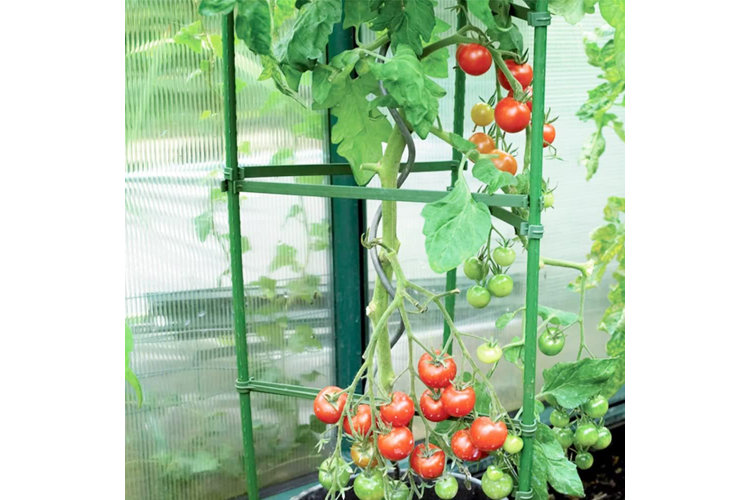
Tomatoes grow fast, so it's important to set up tomato cages or trellises around small plants as soon as you plant them in the ground. This will also give your vining tomatoes the support they need to grow and thrive. Even bushy determinate tomato plants can benefit from some support! Trellises also add structure and interest to your garden, so it's a win-win.
Companion planting is the process of planting certain plants together that benefit each other's growth and overall health. Companion plants include other vegetable plants, herbs, and flowers that attract beneficial insects, ward off pests, have different root systems, and have similar watering/fertilizing routines. Basil is a classic companion plant for tomatoes because it helps tomato plants produce extra-flavorful fruit and ward off pests like the pesky tomato hornworm. Basil also has a shallower root system than tomato plants, meaning they don't compete for nutrients.
Here are some of the top herbs, flowers, and vegetable plants to grow with tomato plants:
- Basil
- Garlic
- Parsley
- Cilantro
- Marigolds
- Oregano
- Thyme
- Chives
- Nasturtiums
- Borage
- Squash
- Asparagus
Here are some examples of what shouldn't be planted next to tomato plants:
- Cabbage or Broccoli (anything in the brassica family, really)
- Other Nightshades (like peppers, potatoes, or eggplants)
- Fennel or Dill
- Rosemary
- Cucumber
- Sweet Corn
10. Establish a Water & Fertilization Routine
When growing tomatoes, consistent watering and fertilization is essential for the tomato plant's health and fruit product. Tomato plants grown in the ground or in large raised beds usually only need 1" – 2" of water each week. However, this need may increase if your area experiences a drought or a heatwave. You'll likely need to water more frequently if your tomato plants are in containers. We recommend watering the soil until you see water coming out of the bottom of the planter to ensure water has reached the base of the soil. As for fertilizing your tomato plants, aim to fertilize in-ground tomato plants every four weeks, and container tomato plants every two weeks. Make sure to water and fertilize at the base of the tomato plant close to the soil to keep the tomato plant's foliage from getting wet.
Tip!
Inconsistent watering can cause blossom end rot and cracks in the flesh of the fruit, which is why it's super important to maintain a watering schedule.
11. Pinch Out Unnecessary Growth (Only for Indeterminate Varieties)
Indeterminate tomato plants are known for producing side shoots, called suckers. These are stems that grow out of the angle between two other stems (as pictured above). Ideally, you want to pinch them out when they're tiny, but you can also remove them with garden clippers or pruning shears if they're more advanced (clean the tool before to prevent exposing the tomato plant to harmful bacteria). This ensures that the tomato plant puts all of its energy into producing and growing fruit instead of more green growth/foliage. It also helps promote air flow through the tomato plant, which keeps foliage from getting bacterial diseases.
Removing suckers isn't helpful for determinate tomato plants because determinate varieties put all of their energy into growing to a set height and producing all of their fruit at once.
12. Help With Pollination
Tomato plants are self-pollinating, which means their flowers have both male and female components. With just a bit of wind or the movement of a nearby insect, the pollen inside the flower is designed to "self-pollinate" by falling onto the female stigma to fertilize it. To guarantee that your tomato blossoms set fruit, you can lightly tap the tops of the flowers. This simple tomato growing tip ensures you get the best yield.
13. Focus on Preventative Pest Control
The best way to protect your tomato plants from pests is to stay one step ahead at all times. Routine pest control and inspections help catch pests before they can make your tomato plants their new home. In addition to reading up on common pests for tomato plants, we recommend also doing the following:
- As mentioned in tip number nine, companion planting is a great preventative pest control method. Basil and marigolds are especially helpful in warding off tomato pests with their fragrance.
- Use netting to limit your tomato plant's exposure to birds, squirrels, and other pests that like to eat the fruit.
- Spray a neem oil/water mixture or another safe form of pest control on the foliage and stems of the tomato plant each evening.
- Conduct daily inspections for eggs, aphids, and other pests and remove them when you see them.
- Prune indeterminate plants consistently to promote airflow and reduce the chances of blight.
- Consistently water and fertilize your tomato plants so that they're strong enough to ward off pests.
14. Get Ready to Harvest & Enjoy
When tomato plants thrive, they produce a ton of fruit, so make sure you're prepared to harvest them. Depending on the size of the yield, you may even need to can or freeze some for future use. This is a great way to enjoy fresh produce even months later. Review our guides on How to Can Tomatoes at Home and Storing Food: How to Store Vegetables for tips on making the most of your harvest.
Tip!
New to growing vegetables? Check out these 16 Tips for Planning a Vegetable Garden.
You May Also Like
Now that you know how to grow tomatoes, start browsing for gardening essentials!
