Sustainable Gardening: Your How-To Guide
Create a space for pollinators and plants to thrive.
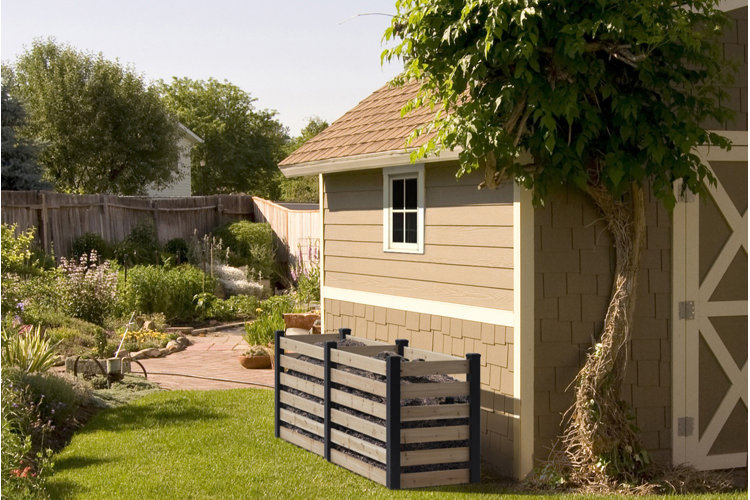
Sustainable gardening is the use of mindful gardening practices to support local ecosystems, increase self-sufficiency, and eliminate negative impacts on the environment. This guide goes over how to garden sustainably for the best results.
1. Start by Composting
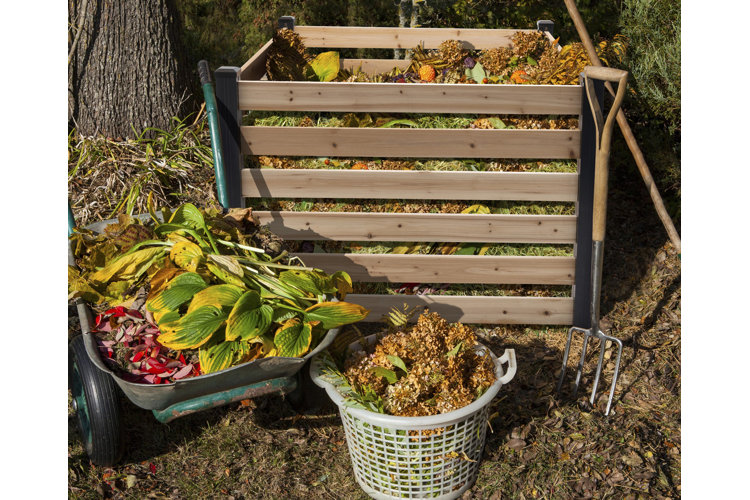
Compost is a natural way to fertilize plants and rejuvenate the soil by providing beneficial microbes and nutrients. Compost typically consists of a mixture of “green material” (fruit or vegetable scraps, coffee grounds, eggshells, or grass) and “brown material” (shredded leaves, wood chips, newspaper, cardboard, or sawdust). This creates a blend of materials high in nitrogen and carbon, which allows microbes to break down the material over time, making for great compost. To start composting, you'll need a compost bin. Check out our guide on How to Compost Like a Pro to learn more about the process.
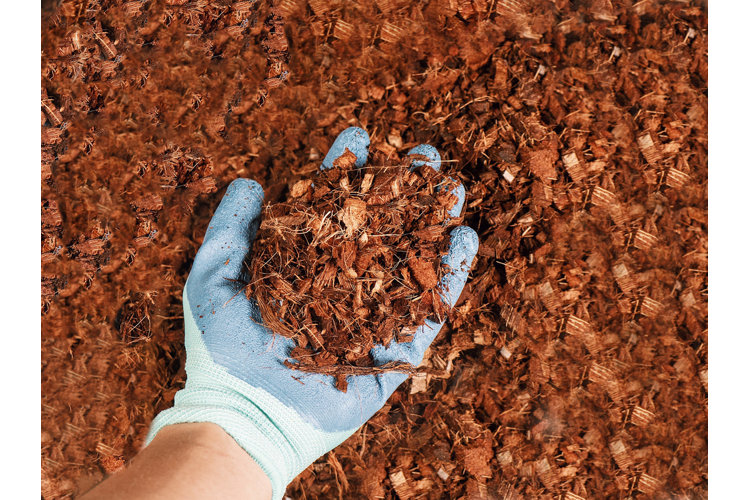
Mulching your garden beds helps keep the soil moist for longer (reducing how often you need to water your plants) and puts nutrients back into the soil as it decomposes. Plus, it naturally helps reduce the number of weeds in your garden. Needless to say, mulching is an essential step to achieve a sustainable garden. However, the type of mulch you use is just as important, as the wrong mulch can leach potentially harmful chemicals into the soil. Natural, untreated mulch will do the job while also protecting wildlife and organisms that live in the soil. Wood chips, straw, compost, shredded leaves, grass clippings (untreated by chemical fertilizers/weed suppressants), and coconut coir are all examples of natural mulch options you can use in your garden. In hot and dry climates, pebbles even work as garden mulch because they help filter rain water and limit evaporation.
Tip!
Although rubber mulch is made from recycling old tires, it's not considered sustainable in the sense that it can potentially pollute the soil with chemicals as it naturally breaks down. If you do plan to use rubber mulch as a way to recycle materials, we recommend using it to mulch enclosed raised beds or planters.
3. Fill Your Yard With Native Plant Species
One of the best ways to create a thriving garden is to prioritize perennials that are native to your area. Not only will these plants come back every year, but they're also naturally designed to grow in the specific climate and soil conditions you have. This is especially important for areas that are prone to droughts, as drought-tolerant plants can withstand infrequent watering. Another benefit of choosing native plants is the impact on local wildlife and insects! By planting native flowers, shrubs, foliage plants, and trees, you're providing wildlife with natural habitats, forms of shelter, and pollen or food sources.
As an example, pink muhly grass (pictured above), also called gulf muhly, is native to the eastern and southern parts of the United States. It has a deep root system that makes it ideal for preventing soil erosion, while its feathery foliage makes it the perfect shelter for small animals, birds, and insects.
Tip!
In addition to choosing native plants, you should also consider companion planting. This is the process of putting plants that don't compete for resources beside each other, as well as planting pairings that may even help one another ward off pests or attract beneficial pollinators.
4. Implement Sustainable Watering Methods
Implementing water conservation methods is the next step in making a garden more sustainable and self-sufficient. A popular method includes attaching rain barrels to the base of your home's gutters to collect or "harvest" rainwater for use throughout your garden. These barrels store gallons of water at a time and help you limit or completely eliminate the use of your home's water supply to water your plants – also great for your water bill. In addition to rain barrels, you can also install a drip irrigation system throughout your garden beds and hook it up to your home's water source. These hose systems are designed to dispense tiny droplets over a number of hours to keep your plants happy and healthy while still conserving water.
Important Note:
Some areas might have regulations for collecting rainwater, so make sure to check your local and state laws before proceeding.
5. Create a Haven for Beneficial Insects & Wildlife
Here are a few key ways to make your garden the go-to spot for wildlife and beneficial insects:
- Creating Opportunities for Shelter: Set up birdhouses designed for local bird species and insect hotels for butterflies or ladybugs. Not only do these encourage wildlife to make their home in your garden, but it also helps with natural pest control. Ladybugs love to eat aphids (a common garden pest), while birds are known for eating cabbage worms and cabbage butterflies, whiteflies, and other pesky insects that are found on vegetable plants.
- Providing Water & Food Sources Throughout the Garden: Intersperse your garden with birdbaths, bird feeders, and insect watering stations so wildlife can cool off or rest their wings.
- Incorporating a Wildlife Pond: Having a wildlife pond in your backyard creates the perfect breeding ground for frogs and dragonflies – both of which are known for eating garden pests! Have an issue with mosquitoes? Dragonflies love to eat them. You can create your very own wildlife pond with a large planter, a pond insert, or a pond liner and native aquatic plants.
- Planting Native Flowers, Trees, or Shrubs: As we touched on in step three, by filling your garden with native plant species, you're also promoting the life cycles of native insects, birds, and other wildlife.
Growing your own food encompasses everything from vegetable gardening to raising chickens (for eggs or meat) and even beekeeping. This is the ultimate way to practice self-sufficiency to ensure you're eating quality food that's free from pesticides and other additives. Growing your own food and/or making your own honey can also have environmental benefits because it reduces the need to transport food from other areas.
Vegetable Gardening: Growing your own fruits and vegetables is so empowering because you know they weren't sprayed with herbicides and other harmful pest control chemicals. Not to mention, the freshness of the produce is unmatched. Check out 16 Tips for Planning a Vegetable Garden to learn more.
Raising Chickens: Raise chickens so you always have fresh eggs at the ready for cooking and baking activities. Chickens are also great for eating garden pests and kitchen scraps. Learn more here: How to Take Care of Chickens: Your Comprehensive Guide.
Beekeeping: Produce your own honey and support the local bee populations by taking up beekeeping. Review Beekeeping for Beginners: How to Start Beekeeping Step by Step for more info on where to start.
Important Note:
Be sure to check with local guidelines or HOA policies before introducing chickens or beekeeping to your property.
7. Use Natural Pest & Weed Control Tactics
Pests are an inevitable part of any garden, from pesky aphids, cabbage moths, squirrels, and even birds. Before spraying with harmful chemicals, consider methods with less environmental impact.
- Do daily inspections of your plants to catch pests before they get out of control.
- Put up protective netting, fencing, or covers to keep pests from eating your vegetable or fruit plants.
- Set up wind spinners and sprinkle your garden beds with a mixture of cinnamon and peppermint oil – despised by squirrels and insect pests, alike.
- As mentioned in step two, opt for natural mulch methods to suppress weeds and weed by hand when necessary.
- Intersperse your garden with pest-warding plants like marigolds, nasturtiums, basil, garlic, chives, borage, hyssop, and mint – just make sure to keep mint in planters as it can take over your garden.
- Remove pest-ridden leaves from plants and place them in a bucket of soapy water. After a good soak, put them in the trash. Don't compost pest-infested plants or foliage.
- Create the perfect habitat for pest-controlling insects and birds. You can even pick up ladybugs or praying mantises at your local garden center and let them loose in your garden.
Last but not least, swap out gas-powered lawn care equipment with manual alternatives. A good example is switching from a gas-powered lawn mower to a push lawn mower. By doing this, you reduce your contribution to air pollution and eliminate soil and ground water contamination.
Tip!
If you love the idea of a sustainable garden, then you'll probably also love xeriscaping! Review What Is Xeriscaping? and Xeriscape Ideas to Transform Your Yard to learn more.
