Buying a Headboard 101: Headboard Designs
A bedroom focal point.
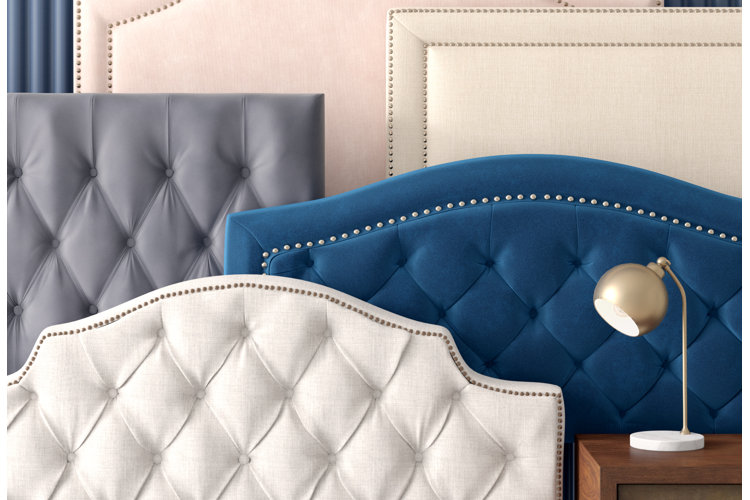
A new headboard is a high-impact bedroom update that can elevate even the simplest of bed frames. We’ve outlined the basics of buying a headboard in this guide – read on for all you need to know about headboard designs, materials, sizing, and installation types.
1. Choose a Headboard Design
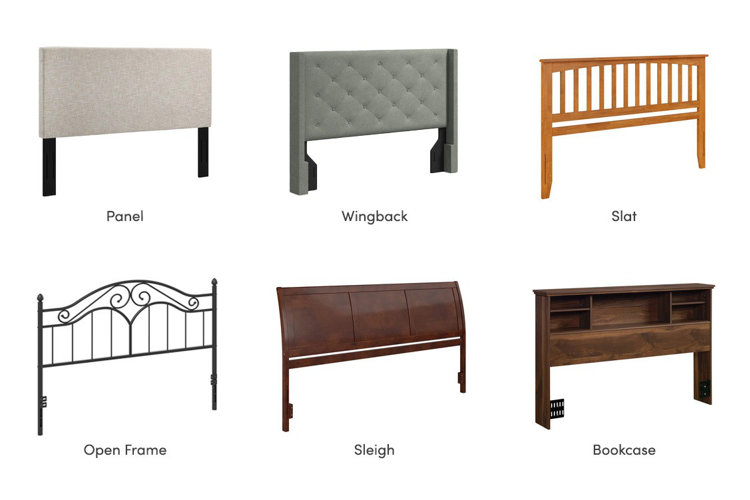
Each headboard design will have a different aesthetic effect and can add storage or back support depending on the style you choose.
Panel: One of the most basic designs, a panel headboard is usually a flat, rectangular board that sits at the top of a bed. But most panel headboards don’t have to be boring – they are available in almost any material, color, and style. Their outer edges can be ornately curved, and even sloped or rimmed with crown molding, nailheads, and more.
Wingback: A wingback design has two panels that jut out from either side to better enclose a bed’s headspace and give your bed a formal look. The secure side panels vary in width, shape, and design.
Slat: Traditional in appearance, slat headboards are made up of vertical or horizontal bars or slats of wood or metal. The slats are encompassed by a simple outer frame that may be curved or have flat sides.
Open-Frame: Similar to slat headboards, open-frame models have simple outer borders that frame inner bars or slats, however the design of those inner bars or slats is often much more intricate or organic.
Sleigh: This elegant design slopes gently backward to imitate the classic look of a horse-drawn sleigh. Its level of ornamentation varies from simple to complex. Sleigh headboards tend to require a couple more inches of space behind the bed than flat headboards do.
Bookcase/Storage: A bookcase headboard, complete with built-in shelves, cabinets, or drawers, is an excellent answer to limited bedroom storage space. An added bonus: Everything is within arm’s reach from the bed!
Wood: This traditional material is a versatile win when it comes to style – it can be stained, painted, or designed with classic or contemporary lines. Wood headboards are found in homes of every style, but most often in contemporary, coastal, traditional, and rustic homes.
Upholstered: Covered with linen, velvet, leather, and more, upholstered headboards offer padding that makes them more comfortable to lean against. The upholstery can be simple and unadorned or finished with detailing. Button tufting, nailhead trim, and welting are the most common finishing touches. A padded headboard functions as fitting decor for glam- or traditional-style bedrooms.
Metal: Consisting of wrought iron, brass, brushed steel, and other metals, this type ranges in style from modern and industrial to vintage and farmhouse. Metal headboards are a good open alternative to more dense, solid ones. The finish of the metal, as well as the pattern the rods create, can seem country-cottage, industrial, traditional, or modern.
Wicker/Rattan: This light woven material is all about texture. With a natural or painted finish, the casual beauty of wicker, rattan, and natural fiber excels in a coastal or country home.
3. Consider Installation Type
Wall-Mounted: These headboards are drilled into the wall behind the bed, so they'll stay put no matter what.
Bed Frame-Mounted: Brackets on the legs of these headboards allow them to attach directly to the back of an existing bed frame. The finished product is seamless and sturdy.
Freestanding: Freestanding headboards come without any hardware or pre-drilled holes, but can usually be easily outfitted to mount on a wall or existing bed frame.
Tip!
Make sure to choose a headboard that is designed to fit your bed. Learn about the available headboard sizes in our guide Headboard Sizes for Stylish & Sound Sleep.
