How to Make Wine at Home in 11 Easy Steps
Simple steps for making your own wine.
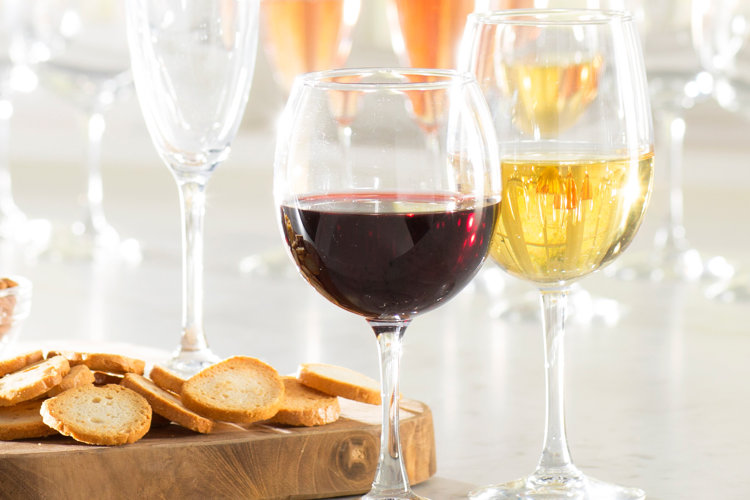
Making your own wine can be a great way to impress your friends, elevate home-cooked meals, and add another interesting hobby to your repertoire. With the right grapes and equipment, you'll be brewing batches of wine in no time. We've put together a guide with step-by-step instructions on how to make wine at home, including tips on choosing the best types of grapes. Keep reading to begin your journey toward becoming a DIY vintner.
Before You Begin
Before you start making your own wine, you'll need to gather all of your ingredients and equipment.
Key Ingredients
There are a few essential ingredients you'll need to make wine at home.
Fruit: While wine can be made from any type of fruit, the most popular choices are grapes or berries. Try to find grapes that are in peak season or of the highest quality to ensure the best flavor. You can also use frozen wine grapes because these grapes are frozen at their peak for optimal flavor.
Sugar: Because the fermentation process happens when the microorganisms in the yeast eat the sugars and convert them to alcohol, sugar plays a key role in wine-making. You can use granulated sugar, honey, raisins, or brown sugar.
Filtered Water: We recommend using filtered water because water makes up a large portion of the wine. Distilled water takes out too many vital minerals and the chlorine in tap water could affect the fermentation process, so filtered water is an excellent option.
Wine Yeast: Like we mentioned above, the yeast converts sugars into alcohol during the fermentation process. Wine yeast is different from bread yeast because it's made to reach higher alcohol levels.
Equipment You'll Need
In addition to your ingredients, you'll also need the right equipment for fermentation.
Crock or Bucket: A large crock or bucket will work as the primary fermentation vessel. This vessel also needs to come with a lid that fits securely on top.
Glass Jugs: Glass jugs or carboys (a glass container with a thin neck) will be used during the secondary fermentation process.
Airlocks: For each glass jug or carboy, you'll need an airlock. These pieces of equipment are filled with water and allow excess gas to escape from the container without letting any air or contaminants from entering the container.
Siphon: A siphon makes it easy to transfer the wine from one vessel to another.
Hydrometer: Hydrometers are measuring tools that allow you to check the levels of sugar or alcohol in your wine.
Wine Bottles: You'll need clean wine bottles with corks or screw-on caps to bottle up your finished wine.
Tip!
Make at-home wine-making easier with home brewing kits that include everything you need to get started.
After you've gotten all of the ingredients and equipment together, it's time to start brewing! Use our instructions below to guide you through the process of how to make wine at home.
Step 1: Clean Your Equipment
Start the process by sanitizing all of your equipment with a brewing cleanser. These cleansers are formulated for brewing equipment and won't leave a residue that could affect the taste of your wine.
Step 2: Choose Your Fruit
You'll want to choose the grapes that are in peak season so that you can have the best flavor for your wine. After you've chosen your grapes, take off the stems and wash the grapes thoroughly.
Make sure to remove any misshapen or rotten grapes.
Note: Some winemakers don't wash the grapes first because the grapes have natural yeast on their skin. However, by removing the yeast from the grapes allows you to control the amount of yeast you add to the wine.
Step 3: Crush the Grapes
Add your grapes to the crock and smash the grapes to release their "must" (or juice). You can use your hands to crush the grapes, or you can try old-fashioned stomping with your feet. A clean potato masher can also do the trick.
Step 4: Add the Sugar
Use your hydrometer to test the levels of sugar in your must. If the levels read below 1.01, you may want to add sugar to create a higher alcohol content. Add the sugar and stir the mixture until the sugar dissolves.
Step 5: Transfer Must Into the Secondary Vessel
For white wine, you'll want to strain the skins, pulp, and seeds from the juice before pouring it into your jug or carboy. Make sure to choose a container that has about an extra gallon of room so that your wine can foam or expand. Top the container with an airlock to keep oxygen out during the fermentation process.
White wine often starts as a golden color and deepens as it starts to ferment. Don't worry, the color will lighten as the wine continues to ferment.
For red wine, you don't need an airtight container or an airlock. Instead, red wine can ferment in an open vessel. Just add something over the top to keep dust or debris from falling into the vessel.
Step 6: Add the Yeast
After pouring the must into its new container, add the yeast and stir. The wine might start fermenting in as little as 12 hours.
Step 7: Stir Your Must
If you're making red wine, it's important to stir the wine at least twice a day. This keeps the skins of the grapes submerged so that they can infuse the juice with flavor and color.
Step 8: Wait for the Wine to Ferment
For white wines, fermentation can take anywhere from a few days to a few weeks. Red wine typically ferments within a week or two. This can depend on the temperature of the room. Cooler rooms can make the process longer.
Step 9: Pour the Wine Into a New Container
Once your wine is done fermenting, you'll need to pour the wine into another container to separate the wine from the lees (the leftover particles of yeast). Use the siphon to transfer the wine from one container to the next and top each carboy with an airlock so that the wine can mature.
Step 10: Let the Wine Mature
Keep the carboys in a cool, dark place that is away from direct sunlight. Make sure each carboy is filled nearly to the top and try to minimize the amount of times you open them. Check each carboy regularly to see if the airlocks need more water.
White wines usually mature within four to nine months in a carboy while red wines can take from six months to a year to mature.
Step 11: Bottle Your Wine
As the final step, you'll want to siphon your matured wine into wine bottles. When bottling your wine, you need to use a siphon to transfer the wine so that the lees at the bottom of the carboy aren't disturbed. Fill each bottle near the top, leaving about half an inch or so for the cork.
Let your bottles age to develop even more flavor. Red wines are best left for a year to age while white wines may only need six months.
You Might Also Like
Enjoy your home-brewed wine with these additions.
Wine Glasses: Whether you're sharing or sipping solo, you'll need a set of wine glasses to enjoy your home-brewed wine. Read our guide Types of Wine Glasses: Everything You Need to Know to find out which wine glasses work best with each type of wine.
Wine Refrigerator: Keep your wine chilled with a wine refrigerator set to the perfect temp. Check out our guide The Best Wine Fridges: Our Guide to How to Store Wine to find the right wine refrigerator for your home.
Now that you know how to make wine at home, browse our collection of home brewing kits.
