What is a Butter Board & How to Make Your Own
Easy tips for trying this delicious TikTok trend.
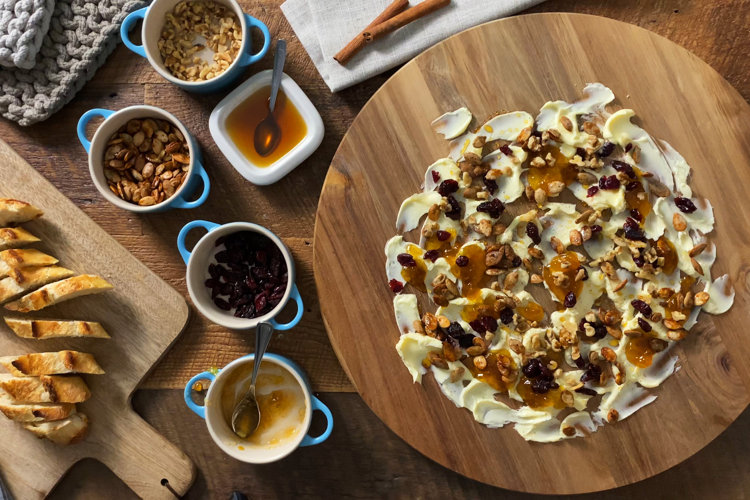
Like the videos of the viral feta pasta or artful charcuterie boards, TikTok is the perfect place to discover new food-based trends. The latest trend that's been captivating our kitchens is the butter board. These butter boards combine a soft layer of butter with your favourite toppings so you can dip bread or crackers into the savoury spread. Not only are they easy to customize, they're even easier to put together. Keep reading to learn more about this tasty trend and how to make a butter board of your own.
What is a Butter Board?
As the name would suggest, a butter board is made by spreading a thin layer of butter on a cutting board and sprinkling your favourite toppings over the top. The butter board acts like a dip, which you can scoop up with bread or crackers (a baguette with a crisp crust is a popular pick).
The trend was created by a TikTok creator and recipe developer Justine Doiron, whose original butter board video has gained over 8 million views and inspired countless recreations under the #butterboard on TikTok. Each TikTok creator adds a personal spin to the trend, swapping out toppings and sides to create their own unique flavour combinations.
Because these spreads are entirely customizable, butter boards are the perfect dish to bring to a movie night or set out as a decadent appetizer. It's easy to adjust the size and toppings to suit any occasion. Plus, you can make the butter board ahead of time. Just make sure to take it out of the refrigerator about 30 minutes before serving to allow the butter to soften.
How to Make a Butter Board
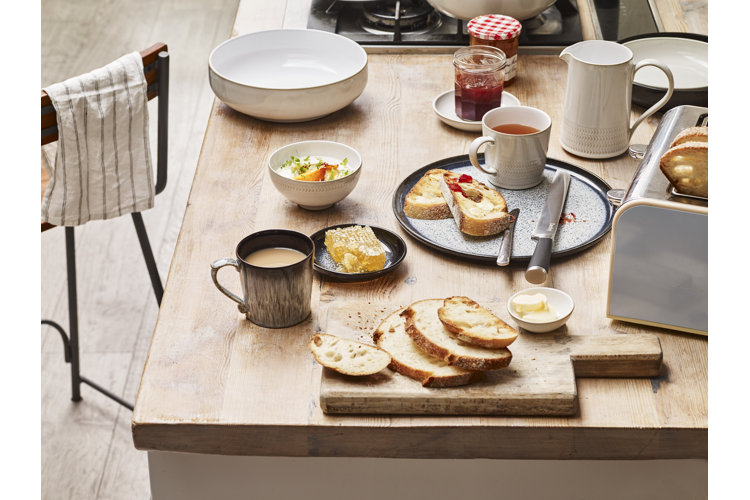
Now that you know what a butter board is, we've outlined the key steps to help you learn how to make one.
1. Start With a Cutting Board
Butter boards are typically built on top of a cutting board or a cheeseboard. Much like a charcuterie board, wood boards are a common choice. The natural wood grain pairs well with the creamy yellow color and adds to the rustic appeal of the trend.
Tip!
You can also use a serving tray or platter for an extra bit of decorative flair. Opt for a dishwasher-safe platter for a quick and easy clean-up.
2. Make Sure Your Butter Is Soft
Soft butter is a key component of creating a butter board. The butter needs to be soft enough to spread, but not too soft that it appears melted. Because the microwave can cause the butter to heat up unevenly and leave cold or melted spots, we recommend setting the butter out to soften on its own.
3. Spread the Butter
Once the butter is softened, add the butter to the top of the board and start spreading the butter to cover the surface. Use the back of a spoon or a spatula to gently smooth the butter into a gentle wave-like pattern. Try to create a layer that is about ¼" – ½" thick so that you have a balanced ratio between butter and toppings.
4. Add Your Toppings
Now to the best part of the butter board: the toppings. Since there are so many flavours that pair well with butter, there are an endless amount of combinations you can try. Stick with flavour profiles like salty or sweet, or opt for a mix of both. For salty boards, think of flaky sea salt, chili oil, roasted garlic, sauteed mushrooms, or caramelized onions. To satiate a sweet tooth, opt for candied nuts, warm spices, dried fruit, or a drizzle of honey. Some of our favourite toppings include hot honey, fried shallots, lemon zest, and fresh herbs.
5. Serve Up Bread on the Side
Just like the toppings, you can choose between a variety of snacks to scoop the delicious spread. Crackers add a nice crunch, while pita is deliciously soft. With a thick crust and a soft interior, baguettes are an excellent choice for a butter board. For extra crispiness, toast up the sliced baguette before serving.
Tip!
Want to serve a butter board at a large event? Add a set of spreaders so that guests can serve themselves and cut down on double-dipping.
