Homeschool Room Ideas That Are Perfect for Remote Learning
Bring the classroom to your home – with a twist!
Organizing a homeschool room can be both exciting and overwhelming, but the result is a beautifully personalized space for your kids. Because remote learning is the new normal, we've put together different homeschool room ideas that will have you breathing a sigh of relief. Consider this one ticked off your things-to-stress-about list!
Homeschool Room Ideas
1. Montessori-Inspired
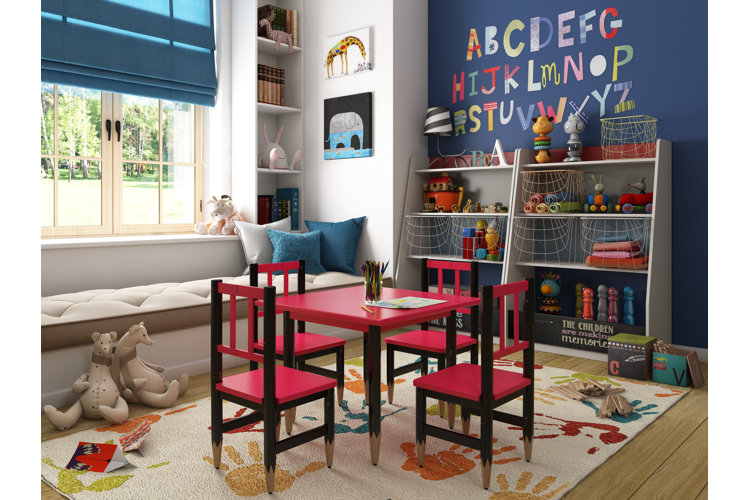
First time designing a homeschool room for your children? What better method to follow than educational pioneer Maria Montessori’s? This tried and tested method is a natural fit if you want to provide an incredible, hands-on learning experience. One key point to consider while designing a Montessori room is to create an independent learning environment to foster growth and responsibility. Once a space is created, make everything more accessible for your child by switching out hard-to-reach shelves for low-hanging shelves and baskets. Fill these with toys and books to encourage hands-on, open-ended play. Simplicity and imagination is vital when decorating a Montessori room – add child-friendly decor pieces such as educational wall decals or simple paintings of animals. All of this contributes to your child’s learning, and that’s what the Montessori method is all about!
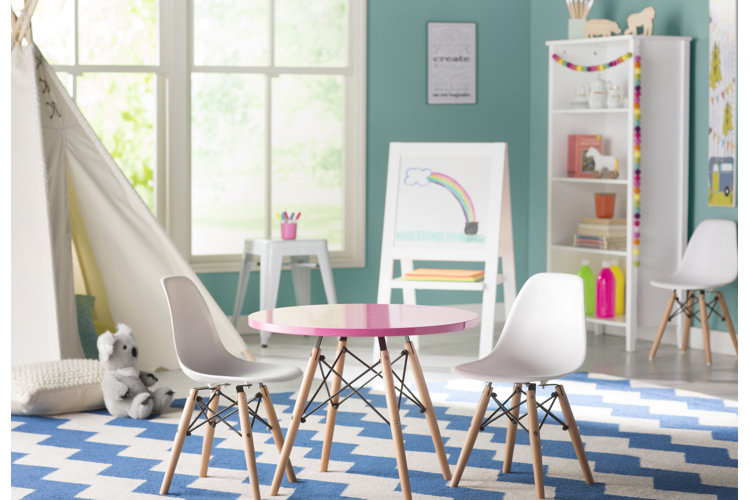
Convenience is a common factor we take into consideration when designing any room and especially when organizing a homeschool room. The child-proof, inexpensive, and minimalistic nature of the idea above helps prevent distractions. This adjustable table and chair set is perfect for a convenient and minimalist homeschool room because it’s a great option for a smaller space. Not to mention it’s the easiest and fastest way to create a homeschool environment – all you need to do is set up the table and chair set and fold it away when done, making it a convenient way to transform the room into something else when needed. Decor can be tricky in a minimalist space, but rugs are usually a great way to add texture and color while still keeping it low-key. Add a painting or two to tie up the color scheme or theme, and there you have it, an empty room transformed into a homeschool room. It’s light, airy, and organized!
It is easy for kids to get distracted when their classroom is right down the hallway from the rest of the house. To help your child stay focused on their schoolwork, add elements that will put them into the learning mode by recreating their old classroom. A chalkboard easel and a familiar wooden desk and chair help create the space that they are used to. Add cubbies for storage and a few geography posters on the walls, and suddenly you have an old-school classroom vibe!
It’s a common misconception that you need a separate room dedicated to schooling. While that’s helpful, making the most of little spaces can be a fun way to build a study area. If your teen has a lofted or raised bunk bed, use the space underneath to fit a small desk for quiet learning. The storage options offered by a lofted bed are another major advantage. Add versatile furniture pieces like cabinets or open shelving units under the bed to store school supplies or toys to improve overall usability of the area and avoid clutter in the open floor space of the room. After all, it’s every student’s dream to quite literally roll out of bed and be in class!
Why walk down the hallway to another room to supervise your child’s learning when you can do it while still in the office? Building a family workspace is a great homeschool idea if your child has difficulty focusing or if you have limited space. Simply add a table that would be big enough for everyone to fit their work on, or place two desks side by side for a more independent layout. Place a bookshelf between the desks to create privacy and prevent distraction. L-shaped desks are also a great alternative for communal workspaces because they provide each member with a designated workspace. After all, the family that works together, stays together!
Homeschool rooms can get monotonous if your child is in there alone for most of the day. Adding a fun corner or an interesting nook is crucial to helping them stay inspired and innovative. It’s simple – add a colorful bean bag chair, an open hamper for toys, some stick-on chalkboard wallpaper, and there you have it! A fun, creative space for your child to take a break.
