A Guide to Choosing the Best Carpet for Basements
Discover the best carpet for basements for a cozy upgrade.
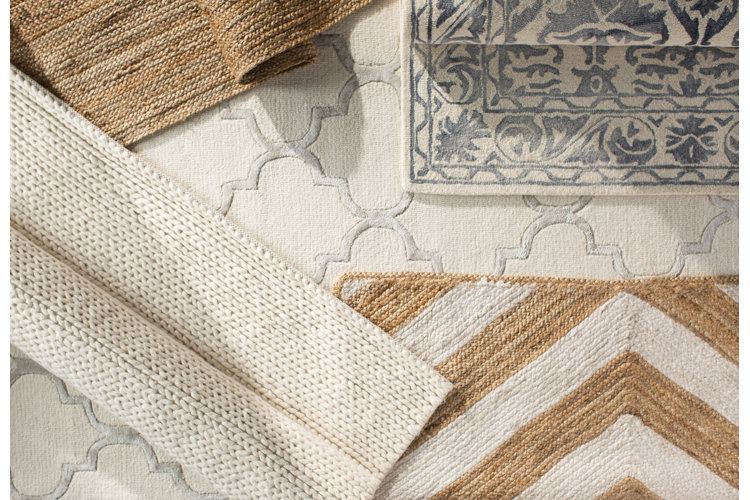
The basement is often a unique and multifunctional space, which can make choosing the right flooring a challenge. If you’re looking for a comfortable yet durable flooring solution for your space, follow our guide on choosing the best carpet for basements to make sure you’re choosing the best option for you.
1. Choose the Best Basement Carpet Material
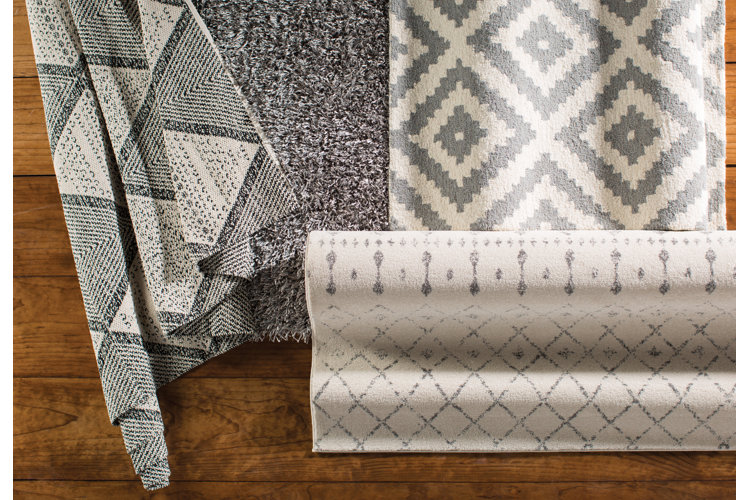
Carpet tiles are square or rectangle sections of carpet that are easy to install and to replace when needed, making them a great option for multifunctional spaces. Consider these material options when choosing basement carpet tiles.
- Polyester: This synthetic material is budget-friendly, naturally stain-, and -moisture resistant. While it is a softer flooring option, it is tougher to clean than other carpet materials due to the fact that it isn't oil-resistant. That being said, should any part of the carpet sustain damage, it is inexpensive and easy to replace the soiled section.
- Nylon: This moisture-resistant material is more durable than polyester – meaning it will last for years without much wear. While it does have a slightly higher price tag, this is outweighed by the fact that it is extremely stain-resistant and easy to maintain.
- Polypropylene: Also known as olefin, this is the most cost-effective synthetic material that is used for basement carpet tiles. It has a wool-like appearance and is known for its exceptional water- and mold-resisting properties. At the same time, polypropylene is less durable and tends to absorb oil spills, making it better for low-traffic areas free from messes.
Tip!
To help keep your basement dry, invest in a dehumidifier to draw the moisture out of the air and aid your flooring in lasting longer.
Choose carpet features, such as stain- and water-resistance, based on what you plan to use your basement space for.
- Stain-Resistant: Any basement carpet should have at least some level of stain-resistance. Whether you plan to use your basement for crafts, a kids playroom, or an entertainment space where food is eaten, any flooring that repels or prevents stains will be easier to maintain and last much longer.
- Water-Resistant: Water-resistant carpet tiles make it hard for liquids to penetrate them, an important feature to consider since most basements do have some level of moisture. This feature is a great option if you engage in activities that can potentially result in spills or if your basement experiences dampness.
3. Pick a Basement CarpetPile Type
Pile types determine what your carpet fibers look like up close. Choosing the pile type can help narrow down the best carpet for basements as it creates a functional and aesthetic difference.
- Loop Pile: Loop pile carpets are made from fibers that are woven to create loops. While this type of carpet is lush and full, it’s not as easy to clean – making it less suitable for areas where you anticipate spills or messes.
- Cut Pile: Cut pile carpets have fibers that stand straight up, which gives a less voluminous appearance than loop piles. This type of carpet is easier to clean as less debris can get caught between the fibers, making it a great option for high-traffic activities.
- Cut & Loop Pile: Cut-and-loop pile carpet features both cut and looped fibers. This type of carpet offers lush and full carpeting while remaining easy to clean. This is one of the best carpet types for basements as it offers you the best of both worlds.
The carpet pile refers to how long the loops of the carpeting fabric are, each comes with its own pros and cons.
- Flat: Flat pile height carpet is the thinnest pile height available. These carpets measure at about 0–1/4 inch thick. This kind of carpet is great for work spaces in basements, as small items won't get lost in it, it is less likely to trap moisture, and can dry out quickly.
- Thin: Thin pile height carpet measures from 1/4–1/2 inch thick. This carpet pile height is thin but provides a bit more cushion than flat pile heights. This kind of carpet adds a little extra comfort without adding the extra hassle of deep cleaning.
- Thick: Thick pile height carpets are 1 inch thick or more. This is the best carpet for your basement if you prefer to sit on the floor – this carpet will provide enough cushion to keep you comfortable, though it will require a little extra maintenance and care.
Tip!!
Once you’ve made your choice on basement carpet tiles, read up on how to install carpet tiles, with our helpful guide: Everything You Need to Know About Carpet Tile Installation.
