Dutch Oven vs. Braiser: Which One Do You Need?
Discover the best option for your kitchen.
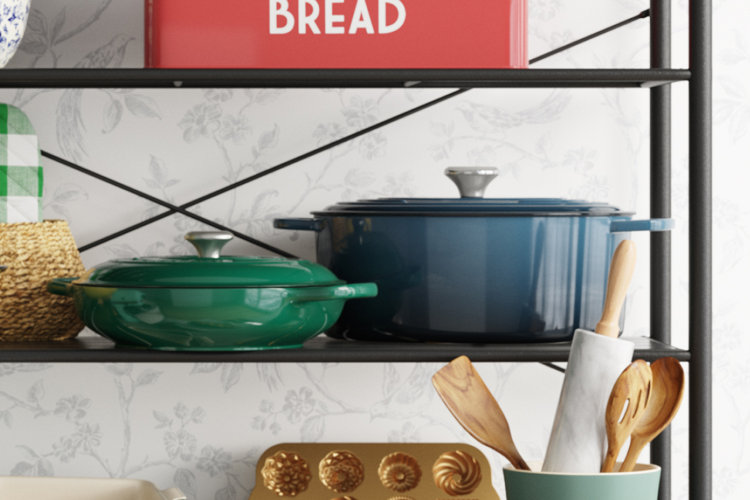
We all need a piece of cookware that can pull its weight in the kitchen and be multipurpose when we need it to. That's when having a Dutch oven, braiser, or both can be a game-changer. Although these two cookware appliances can complete many of the same cooking tasks, they each have their own distinct advantages to consider. Keep reading to compare a Dutch oven vs. braiser to learn which option is best for your kitchen.
In this guide:
What Is a Dutch Oven?
What Is a Braiser?
Dutch Oven vs. Braiser: How Do They Compare?
What Is a Dutch Oven?
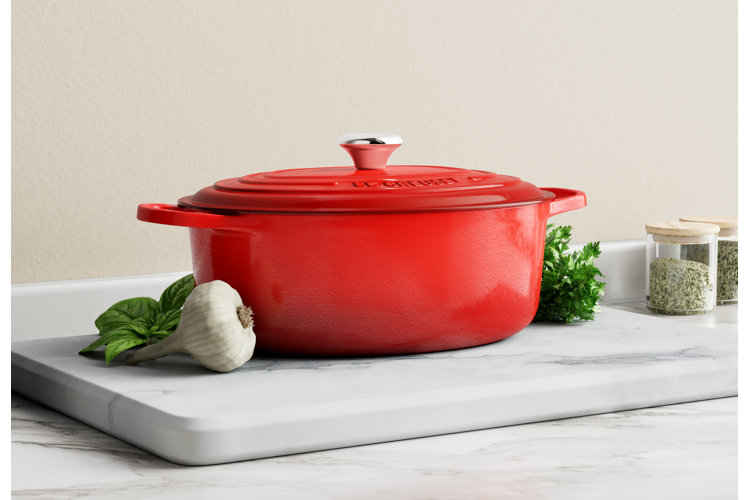
A Dutch oven is a versatile form of cookware also known as a cocotte or French oven. They are usually made of enameled cast iron but they are available in other materials like stainless steel as well. The purpose of a Dutch oven is to fulfill your every cooking need, from slow cooking stew and delicious pasta dishes to roasting whole chickens to baking bread. The main advantage of the Dutch oven is its heat-retaining design and tight-fitting lid, which helps lock in heat and moisture to cook food evenly. In addition to its cooking capabilities, Dutch ovens also come in a wide range of sizes (from 4 to 8 quarts) so you can choose the best size for your kitchen and cooking needs. One of the hallmarks of the Dutch oven's design is its tall sides that allow you to cook a large volume of food or liquid without spilling the contents. You can place Dutch ovens on the stove top or in the oven to achieve cooking, roasting, or baking goals.
When to Use a Dutch Oven:
Here are some examples of cooking scenarios where a Dutch oven is the way to go:
- Slow-cooking stews & soups
- Slow-cooking pasta dishes
- Deep-frying meat or bread
- Shallow-frying meat, eggs, or vegetables
- Roasting whole chickens (or large cuts of meat)
- Baking bread (learn how here)
- Boiling water for pasta or vegetables
- Braising meat (you may need a frying pan or skillet to sear or brown the meat before putting it in the Dutch oven to steam)
Tip!
Learn more about Dutch ovens in our guide, What Is a Dutch Oven? and get inspired to use a Dutch oven by learning How to Dutch Oven Cook for Endless Possibilities.
What Is a Braiser?
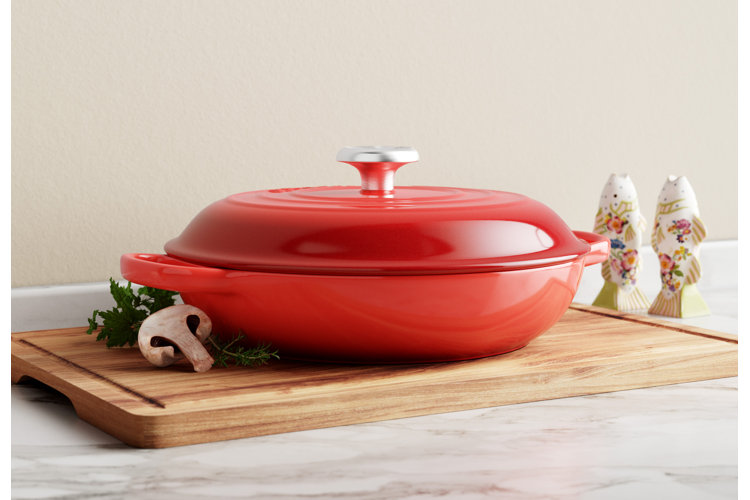
Braisers are another multipurpose form of cookware that are primarily designed to braise meat with a rich flavor. They're typically made using enameled cast iron or stainless steel. They can go on the stove top or in the oven for flexible cooking options. This piece of cookware is short in height but it makes up for its lack of vertical volume with a wide pan-like composition. A lid fits snugly on top to lock in heat and flavor. This braiser design is intentional, as the shallow cooking space creates the perfect environment for braising (cooking and then simmering meat to achieve tender, juicy cuts). This is because braisers don't require much liquid and the compact cooking environment helps lock in aromatic flavor. The liquid only covers half of the meat cut, while the steam and enclosed cooking space help to tenderize it, resulting in unmatched deliciousness! Braisers are available in a range of quart sizes, from 2 to 6 quarts.
When to Use a Braiser:
Here are some examples of how you can use a braiser for cooking activities:
- Braising, searing, or browning cuts of meat
- Sauteing meat and vegetables
- Steaming meat or vegetables
- Baking casseroles
- Baking deep dish pizza
- Making pancakes
- Baking low-rise baked goods like brownies, cinnamon rolls, or biscuits
- Shallow frying omelets or fried eggs, fillets, fritters, or crab cakes
Dutch Oven vs. Braiser: How Do They Compare?
Now that you've had a chance to familiarize yourself with both cookware options, let's compare the similarities and differences of a braiser vs. Dutch oven.
Similarities:
- Both Dutch ovens and braisers are available in a variety of materials, but they are traditionally made of enameled cast iron.
- Both have tight-fitting lids that lock in heat and handles for easy maneuvering.
- Both are renowned for their ability to heat and cook food evenly.
- Both can work on the stove top or in the oven.
- Both can be used for braising, shallow-frying, baking, roasting, sauteing, steaming, and simmering activities.
- Both are a versatile addition to your kitchen.
Differences:
- Dutch ovens are deep and tall while braisers are shallow and wide.
- Dutch ovens can accommodate anywhere from 4 to 8 quarts or more of food/liquid, while braisers can accommodate around 2 to 6 quarts.
- Because of their size range, Dutch ovens are great for making large meals or pasta dishes for a bunch of people (approximately 4 to 10 servings or more), while braisers can cook approximately 3 to 6 servings at a time (perfect for family casseroles).
- Dutch ovens can accommodate whole chickens, hams, or large portions of beef, while braisers are best suited for smaller cuts, ribs, pork chops, or lamb chops.
- The shallow design of a braiser makes it more ideal for storing in small spaces or narrow shelves.
- Dutch ovens are great for stews, soups, and deep-frying, while braisers are not.
- Both cooking appliances can braise meat, but braisers are specially designed for the task. Dutch ovens can be used for braising but are more likely to steam the food instead of browning or searing it, due to the deep depth of the cooking space.
Tip!
Now that you've compared a Dutch oven vs. braiser, start learning more about how Dutch ovens differ from other cookware in Dutch Oven vs. Slow Cooker: Which do You Need
